

Litany of Thanksgiving Book of Common Prayer: Ritualistic Insights
The Litany of Thanksgiving in the Book of Common Prayer is a sacred ritual that holds deep significance in the Anglican tradition. In this article, we will delve into the ritualistic insights that can be gleaned from this beautiful litany, exploring the heartfelt gratitude and spiritual connections that it fosters. Join us as we uncover the rich symbolism and timeless traditions of this powerful expression of thanks.
Contents
- Overview of the Litany of Thanksgiving in the Book of Common Prayer
- Historical background and significance of the Litany of Thanksgiving
- Key elements and structure of the Litany of Thanksgiving
- Exploring the themes and prayers within the Litany of Thanksgiving
- Insights into the ritualistic aspects of the Litany of Thanksgiving
- Benefits of incorporating the Litany of Thanksgiving into personal prayer practice
- Comparing the Litany of Thanksgiving with other litanies in the Book of Common Prayer
- Guidelines for effectively engaging with the Litany of Thanksgiving
- Reflecting on the transformative power of gratitude in the Litany of Thanksgiving
- Recommendations for enhancing your experience with the Litany of Thanksgiving
- Concluding Remarks
Overview of the Litany of Thanksgiving in the Book of Common Prayer
The Litany of Thanksgiving in the Book of Common Prayer is a powerful ritualistic prayer that is often used in Anglican and Episcopal worship services. This litany is a beautiful expression of gratitude and praise to God for all the blessings and mercies He has bestowed upon us. It serves as a reminder to acknowledge and give thanks for all that we have received, both spiritually and materially.
One of the key features of the Litany of Thanksgiving is its structured format, which consists of a series of petitions followed by a concluding prayer of thanksgiving. This format helps to guide the worshippers through a comprehensive list of blessings to be thankful for, ranging from spiritual gifts to material provisions.
Throughout the litany, there is a sense of humility and reverence towards God, as we acknowledge our dependence on Him for all things. This prayer invites us to reflect on the many ways in which God has shown His love and faithfulness towards us, and inspires us to respond with gratitude and praise.
| Blessings to be Thankful For |
|---|
| Forgiveness of sins |
| Life and health |
| Family and friends |
| Provision of daily bread |

Historical background and significance of the Litany of Thanksgiving
The Litany of Thanksgiving, found in the Book of Common Prayer, holds a significant place in the history and traditions of Anglican worship. This litany is a form of prayer that is structured as a series of petitions followed by responses from the congregation, expressing gratitude and thanksgiving to God for his blessings and mercies. The roots of this litany stretch back centuries, reflecting the rich heritage of Christian worship.
Historically, the Litany of Thanksgiving has been used during times of harvest and thanksgiving festivals, where the community comes together to acknowledge and give thanks for the abundance of blessings they have received. It serves as a powerful reminder of the importance of gratitude and the recognition of God’s provision in our lives. The litany also plays a role in the regular worship of many Anglican churches, where it is recited or sung as a part of the liturgical practice.
The litany is structured in a way that allows for a variety of petitions and responses, creating a sense of unity and communal participation in the act of thanksgiving. Through this form of worship, individuals are invited to reflect on their blessings and offer thanksgiving to God alongside their fellow worshippers. The Litany of Thanksgiving serves as a beautiful reminder of the importance of gratitude in the Christian life and continues to hold a special place in Anglican worship traditions.
Key elements and structure of the Litany of Thanksgiving
The Litany of Thanksgiving from the Book of Common Prayer is a powerful ritualistic prayer that is rich in tradition and structure. This litany is a form of prayer that involves a series of petitions or supplications, followed by a response from the congregation. It is meant to be a profound expression of gratitude and thanksgiving for the blessings of life and faith.
Key elements of the Litany of Thanksgiving include:
– Opening Invocation: The litany begins with an invocation, calling upon God’s presence and acknowledging His greatness and mercy.
– Petitions: The body of the litany consists of various petitions, or requests, for God’s continued blessings and guidance. These petitions often cover a range of topics, including personal needs, communal concerns, and global issues.
– Responses: After each petition, the congregation responds with a set phrase, such as “We give thanks to you, O Lord.”
– Concluding Doxology: The litany typically concludes with a doxology, a short hymn of praise and glory to God.
Overall, the Litany of Thanksgiving is a structured and reverent prayer that allows for communal worship and reflection on the many blessings of life and faith. Its ritualistic elements provide a framework for expressing gratitude and seeking God’s continued presence in our lives.
Exploring the themes and prayers within the Litany of Thanksgiving
The Litany of Thanksgiving is a powerful and sacred text within the Book of Common Prayer that is often recited during worship services and devotionals. This litany is filled with themes of gratitude, praise, and thanksgiving to God for His many blessings and mercies. As we explore the themes and prayers within this litany, we are reminded of the importance of acknowledging and appreciating all that God has done for us.
One of the central themes of the Litany of Thanksgiving is the concept of praise and worship. The litany is structured in a way that allows for the congregation to lift up their voices in praise and adoration of God. Through the repetition of phrases such as “We thank you, Lord” and “We bless you, Lord”, worshipers are able to express their gratitude and reverence for God’s goodness and faithfulness.
- Gratitude
- Praise and Worship
- Thanksgiving for God’s blessings
- Educative insights on prayers and thanksgiving
Additionally, the Litany of Thanksgiving includes prayers for specific blessings and requests for guidance and protection. These prayers serve as a reminder of our dependence on God and our need for His provision and care. By incorporating these prayers into our worship, we are able to align our hearts and minds with God’s will and seek His guidance and blessings in all areas of our lives.
Overall, the Litany of Thanksgiving is a beautiful and meaningful liturgical text that helps to deepen our faith and foster a spirit of thankfulness and praise. By exploring the themes and prayers within this litany, we are able to draw closer to God and experience His presence in a powerful and transformative way.
Insights into the ritualistic aspects of the Litany of Thanksgiving
The Litany of Thanksgiving is a powerful and ancient prayer found in the Book of Common Prayer. This liturgy holds great significance in the Anglican tradition, serving as a communal expression of gratitude and praise to God. Through its ritualistic elements, the Litany of Thanksgiving invites worshippers to participate in a structured form of worship that engages both the mind and the heart.
One key aspect of the Litany of Thanksgiving is its repetitive nature. The use of repeated phrases and responses creates a rhythmic pattern that fosters a sense of unity among the worshippers. This repetition not only helps to focus the mind but also allows for a deepening of spiritual connection with each iteration.
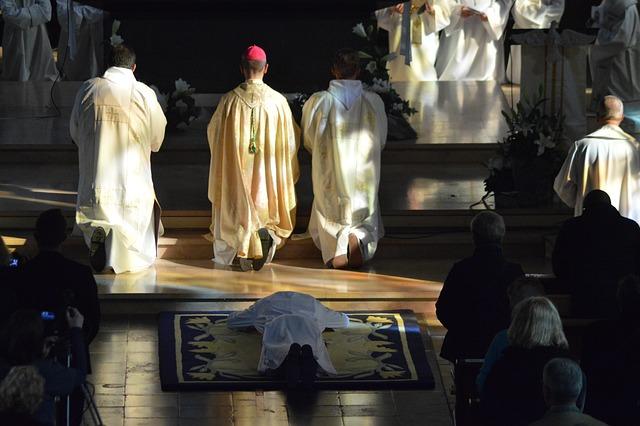
Additionally, the use of gestures in the Litany of Thanksgiving can enhance the ritualistic experience. Bowing one’s head, raising one’s hands, or kneeling at certain points in the liturgy can serve as physical expressions of reverence and submission. These gestures can help to reinforce the solemnity and sacredness of the prayer.
The structured format of the Litany of Thanksgiving provides a framework for worshippers to engage with the content of the prayer in a meaningful way. By following the prescribed order of petitions and responses, individuals are guided through a journey of thanksgiving that touches on various aspects of life and faith. This structure helps to ensure that no element of gratitude is overlooked, allowing for a comprehensive expression of thanksgiving.
Benefits of incorporating the Litany of Thanksgiving into personal prayer practice
Incorporating the Litany of Thanksgiving into our personal prayer practice can bring about numerous benefits that can enrich our spiritual journey. This timeless ritual from the Book of Common Prayer serves as a powerful tool for expressing gratitude, reflection, and connection with the divine. Here are some insights into why integrating this litany into our prayer routines can be transformative:
- Deepens Gratitude: The Litany of Thanksgiving provides a structured framework for acknowledging and giving thanks for the blessings in our lives, both big and small. By consciously reciting these prayers of gratitude, we cultivate a spirit of thankfulness that can uplift our hearts and minds.
- Fosters Reflection: Through the rhythmic repetition of the litany’s phrases, we are prompted to pause and reflect on the abundance of gifts and experiences that we have received. This practice of reflection encourages mindfulness and awareness of the beauty and wonder that surrounds us.
- Strengthens Connection: Engaging in the Litany of Thanksgiving can deepen our sense of connection with God, the universe, and all beings. By offering thanks for the interconnectedness of all creation, we can experience a profound sense of unity and Oneness with the divine.
Comparing the Litany of Thanksgiving with other litanies in the Book of Common Prayer
When , one can uncover interesting insights into the rituals and themes present in these sacred texts. The Litany of Thanksgiving stands out for its unique focus on gratitude and praise, offering a refreshing perspective compared to the more solemn tone of other litanies.
One key difference is the structure of the Litany of Thanksgiving, which features a series of statements followed by the congregational response “We give thee thanks, O Lord.” This call-and-response format creates a sense of unity among worshipers and emphasizes the communal aspect of giving thanks. In contrast, other litanies may contain more petitions and pleas for mercy, showcasing a different tone and intention.
Additionally, the Litany of Thanksgiving highlights specific blessings and gifts that are worthy of gratitude, such as “the beauty of the earth and sky” and “the love of family and friends.” By acknowledging these specific blessings, the litany encourages reflection on the abundance of goodness in one’s life, fostering a deeper sense of appreciation and awareness.
Overall, the Litany of Thanksgiving offers a unique perspective on prayer and gratitude within the context of the Book of Common Prayer. Its emphasis on thanksgiving and praise serves as a powerful reminder of the importance of acknowledging and celebrating the blessings that surround us each day.

Guidelines for effectively engaging with the Litany of Thanksgiving
When engaging with the Litany of Thanksgiving, it is important to approach the ritual with reverence and intention. Here are some guidelines to help you effectively connect with this powerful prayer:
- Prepare Yourself: Before beginning the litany, take a moment to center yourself and set your intentions for this practice. Clear your mind of distractions and focus on gratitude and thanksgiving.
- Recite Slowly and Mindfully: As you recite each phrase of the litany, do so slowly and with intention. Allow the words to sink in and resonate with you on a deeper level. Take pauses between each line to reflect on the blessings in your life.
- Engage Your Senses: Consider incorporating sensory elements into your practice, such as lighting a candle, burning incense, or playing soft music. These can help create a sacred atmosphere and enhance your connection to the litany.
By following these guidelines, you can create a meaningful and transformative experience with the Litany of Thanksgiving, deepening your gratitude and connection to the divine.

Reflecting on the transformative power of gratitude in the Litany of Thanksgiving
Gratitude is a powerful force that can transform our lives in ways we may not even realize. When we take the time to express our thanks and appreciation, whether to others or to a higher power, we are opening ourselves up to receiving even more blessings in return.
In the Litany of Thanksgiving found in the Book of Common Prayer, we are provided with a structured and ritualistic way to practice gratitude. This litany is a beautiful collection of prayers and affirmations that can help us cultivate a spirit of gratitude in our daily lives.
As we recite each phrase in the Litany of Thanksgiving, we are reminded of the many blessings we have received and the abundance that surrounds us. This practice can help us shift our focus away from what we lack or desire, and instead direct our attention to all that we have to be thankful for.
Through the transformative power of gratitude, we can experience a shift in our perspective, leading to greater contentment, peace, and joy in our lives. The Litany of Thanksgiving serves as a gentle reminder of the importance of expressing thanks and counting our blessings each day.
Recommendations for enhancing your experience with the Litany of Thanksgiving
One way to enhance your experience with the Litany of Thanksgiving is to set aside a specific time each day to recite the litany. This regular practice can help you cultivate a sense of gratitude and connection to the divine. Consider incorporating the litany into your morning or evening routine to start or end your day on a positive note.
Another recommendation for enhancing your experience with the Litany of Thanksgiving is to personalize the litany by adding your own words of gratitude. Take a moment to reflect on the blessings in your life and incorporate them into the litany. This can help deepen your connection to the prayer and make it a more meaningful and personal experience.
Additionally, try incorporating music or chanting into your recitation of the Litany of Thanksgiving. Music has a powerful way of invoking emotions and can help you connect more deeply with the words of the litany. Consider playing soft instrumental music in the background or singing the litany aloud to enhance your spiritual experience.
Lastly, consider creating a sacred space in your home where you can recite the Litany of Thanksgiving. This could be a quiet corner with a comfortable chair, candles, and other items that help you feel connected to the divine. Having a dedicated space for prayer can help you focus and deepen your spiritual practice.
Concluding Remarks
In conclusion, the Litany of Thanksgiving found in the Book of Common Prayer offers a rich opportunity for reflection and gratitude. Its ritualistic insights can deepen our connection to the divine and help us cultivate a spirit of thankfulness in our daily lives. Whether used in personal devotions or communal worship, this timeless litany serves as a powerful reminder of all that we have to be thankful for. So, next time you come across this beautiful prayer, take a moment to pause and give thanks for the many blessings in your life.


 WAIT! YOUR DIVINE CONNECTION IS BLOCKED