

Understand the Divide: Catholic vs. Protestant Bibles Revealed!
Have you ever wondered about the differences between the Catholic and Protestant Bibles? In this article, we will delve into the history and complexities of these two versions of the Holy Scriptures, shedding light on the age-old divide between Catholics and Protestants when it comes to their sacred texts. Join us as we explore the nuances and significance of this theological divide in the world of Christianity.
Contents
- Key Differences in Canonization Between Catholic and Protestant Bibles
- Historical Background of the Catholic and Protestant Bible Divide
- Understanding the Apocrypha: What Sets Catholic and Protestant Bibles Apart
- The Impact of Martin Luther on the Protestant Bible
- Exploring the Different Versions of the Bible Used by Catholics and Protestants
- Significant Theological Variances in Catholic and Protestant Scriptures
- How Catholic and Protestant Bibles Approach Interpretation and Authority
- Key Doctrinal Discrepancies Between Catholic and Protestant Bibles
- Tips for Navigating Between Catholic and Protestant Bibles
- Respecting Differences: Building Bridges Between Catholics and Protestants
- Recommendations for Further Study and Understanding of the Catholic vs. Protestant Bible Debate
- To Wrap It Up
Key Differences in Canonization Between Catholic and Protestant Bibles
When it comes to the Bible, one of the key differences between the Catholic and Protestant traditions lies in the canonization process. Canonization refers to the process by which certain religious texts are deemed sacred and authoritative. Let’s delve into the key disparities between the Catholic and Protestant Bibles in terms of canonization:
- Number of Books: One of the most significant differences is the number of books included in each Bible. The Catholic Bible includes additional books known as the Deuterocanonical books, which are not found in Protestant Bibles. These books were included in the Catholic Bible during the Council of Trent in the 16th century.
- Origins of the Books: Another difference lies in the origins of the books included in each Bible. The Catholic Bible draws from a Greek translation of the Hebrew Scriptures, called the Septuagint. Protestant Bibles, on the other hand, rely on the Hebrew Scriptures for their Old Testament without the additional Deuterocanonical books.
| Catholic Bible | Protestant Bible |
|---|---|
| Includes Deuterocanonical books | Does not include Deuterocanonical books |
| Based on Septuagint translation | Relies on Hebrew Scriptures |
These differences in canonization have contributed to the distinctiveness of the Catholic and Protestant Bibles, reflecting the divergent historical and theological perspectives of each tradition. Understanding these disparities can deepen our appreciation for the richness and complexity of the biblical text as it is interpreted within different Christian traditions.

Historical Background of the Catholic and Protestant Bible Divide
The Catholic and Protestant Bibles have been at the center of religious and theological discussions for centuries, with each branch of Christianity holding slightly different versions of the holy scriptures. The historical background of this divide dates back to the Protestant Reformation in the 16th century, when reformers like Martin Luther challenged the authority of the Catholic Church and sought to make the Bible more accessible to the common people.
One of the key differences between the Catholic and Protestant Bibles lies in the number of books included in the Old Testament. The Catholic Bible contains 46 books in the Old Testament, while the Protestant Bible only includes 39 books. This discrepancy can be traced back to the Council of Trent in the 16th century, when the Catholic Church officially recognized certain books as canonical that had been questioned by earlier Jewish scholars.
Another significant difference between the Catholic and Protestant Bibles is the inclusion of the Apocrypha. The Apocrypha is a collection of books that are considered canonical by the Catholic Church but are not included in Protestant Bibles. These books cover topics such as wisdom literature, historical accounts, and prayers, providing additional insights into the faith for Catholic believers.
Overall, the divide between the Catholic and Protestant Bibles reflects the complex history of Christianity and the diverse interpretations of scripture that have developed over time. By understanding the historical background of this divide, we can gain a deeper appreciation for the rich tapestry of beliefs and traditions that make up the Christian faith.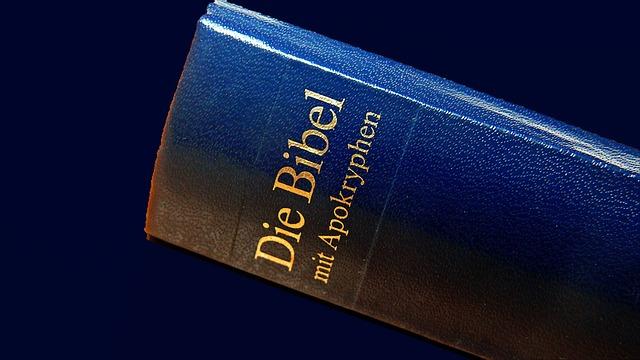
Understanding the Apocrypha: What Sets Catholic and Protestant Bibles Apart
When it comes to the Bible, the differences between Catholic and Protestant versions can be quite significant. One of the key distinctions lies in the inclusion of the Apocrypha, a set of books that are considered canonical by Catholics but not by most Protestants. This collection of texts, which includes Tobit, Judith, and Ecclesiasticus, is placed between the Old and New Testaments in Catholic Bibles, while Protestant Bibles omit these books altogether.
For Catholics, the Apocrypha holds theological significance and is viewed as inspired scripture, offering valuable insights into the history and teachings of the faith. These books provide additional narratives and perspectives on key events and figures, enhancing the overall understanding of biblical themes. On the other hand, Protestants do not consider the Apocrypha to be divinely inspired and, therefore, do not include them in their canon of scripture.
The decision to include or exclude the Apocrypha in the Bible reflects broader theological differences between Catholicism and Protestantism. For Catholics, tradition and the authority of the Church play a significant role in shaping beliefs and practices, while Protestant denominations prioritize sola scriptura, the belief that the Bible alone is the ultimate authority for faith and practice. This fundamental divergence in approach to scripture underscores the ongoing divide between Catholic and Protestant perspectives on the Bible.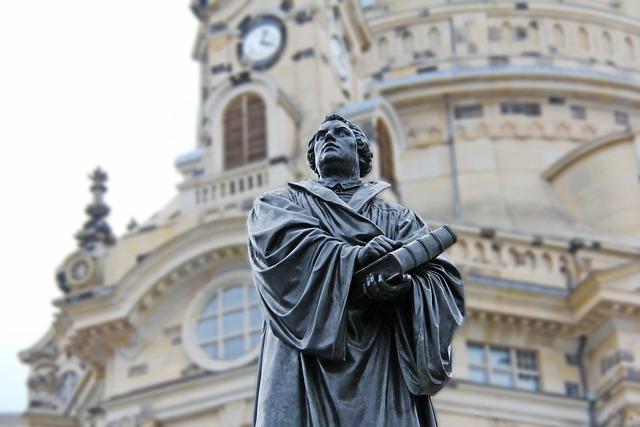
The Impact of Martin Luther on the Protestant Bible
Martin Luther, a key figure in the Protestant Reformation, had a significant impact on the Protestant Bible and helped shape the religious landscape of Christianity. One of the most notable differences between the Catholic and Protestant Bibles lies in their composition. While the Catholic Bible includes additional texts known as the deuterocanonical books, the Protestant Bible consists of only the 39 books of the Old Testament and the 27 books of the New Testament.
Luther’s translation of the Bible into German made the scriptures more accessible to the common people, emphasizing the importance of individual interpretation of the Bible. This idea of sola scriptura, or scripture alone, became a foundational principle of Protestantism. Luther’s emphasis on the authority of the Bible over tradition led to the Protestant rejection of certain Catholic teachings and practices.
Furthermore, Luther’s translation of the Bible had a lasting impact on the development of the German language, standardizing it and influencing other translations in European languages. The Protestant Bible continues to be a central text for Protestant denominations worldwide, reflecting Luther’s commitment to making the Word of God accessible to all believers.
Exploring the Different Versions of the Bible Used by Catholics and Protestants
When it comes to the Bible, there are some key differences between the versions used by Catholics and Protestants. These variations have been a source of division between the two branches of Christianity for centuries.
Catholic Bible:
- Contains 73 books, including the Deuterocanonical books
- Based on the Latin Vulgate translation
- Includes books like Tobit, Judith, Wisdom, Sirach, Baruch, and Maccabees
Protestant Bible:
- Contains 66 books
- Based on the Hebrew Masoretic text for the Old Testament
- Does not include the Deuterocanonical books
This discrepancy in the number of books has been a major point of contention, with Catholics viewing the Deuterocanonical books as inspired scripture and Protestants considering them apocryphal. Understanding these differences can shed light on some of the theological disagreements between Catholics and Protestants.
Significant Theological Variances in Catholic and Protestant Scriptures
When it comes to the Bible, there are key differences between the Catholic and Protestant versions that have contributed to theological variances over the centuries. Understanding these distinctions can shed light on the beliefs and practices of each faith tradition.
Catholic Scriptures:
- Include 46 books in the Old Testament (versus 39 in Protestant Bibles)
- Include additional books known as the Deuterocanonical books (e.g., Tobit, Judith, Sirach)
- Emphasize the authority of the Pope and Church Tradition in interpreting Scripture
Protestant Scriptures:
- Consist of 66 books in total
- Omit the Deuterocanonical books found in Catholic Bibles
- Place sole authority on the Bible for faith and practice
These differences in content and interpretation continue to shape theological discussions and teachings within each denomination. By exploring the nuances of Catholic and Protestant Scriptures, we can gain a deeper understanding of the rich tapestry of Christian beliefs.
How Catholic and Protestant Bibles Approach Interpretation and Authority
In the realm of Christianity, the approach to interpreting the Bible and the authority placed on its teachings can vary greatly between Catholics and Protestants. Understanding these differences is crucial in comprehending the theological divide that has shaped the history of the Christian faith.
**Catholic Bible Interpretation and Authority:**
– The Catholic Church views the Bible as a sacred text that is to be interpreted within the context of tradition and the teachings of the Church.
– Authority in interpreting the Bible is ultimately held by the Magisterium, the teaching authority of the Catholic Church, which includes the Pope and bishops.
– Catholic doctrine emphasizes the importance of both Scripture and Tradition in shaping beliefs and practices within the faith.
**Protestant Bible Interpretation and Authority:**
– Protestants, on the other hand, uphold the principle of Sola Scriptura, which asserts that the Bible alone is the ultimate authority in matters of faith and practice.
– Interpretation of the Bible is often left to individual believers, guided by the Holy Spirit, rather than a central governing body.
– Protestant denominations may vary in their specific approaches to interpreting the Bible, but the foundational principle of Sola Scriptura remains a defining characteristic.
In summary, the contrasting approaches to interpreting and establishing authority within the Catholic and Protestant Bibles reflect deeper theological differences that have shaped the distinct identities of these two branches of Christianity. By understanding these differences, we can gain a deeper appreciation for the diversity within the Christian faith and the rich history that has resulted from these varying perspectives.
Key Doctrinal Discrepancies Between Catholic and Protestant Bibles
When it comes to the Bible, there are significant doctrinal discrepancies between the Catholic and Protestant versions. These differences have been a point of contention for centuries, shaping the beliefs and practices of the two branches of Christianity. Understanding these key distinctions can shed light on the theological divide between Catholics and Protestants.
One of the primary discrepancies between Catholic and Protestant Bibles lies in the number of books included in each. The Catholic Bible contains 46 Old Testament books, while the Protestant Bible has 39. This disparity is due to the inclusion of what are known as the deuterocanonical books in the Catholic Canon, which are not accepted as inspired scripture by Protestants.
Another significant difference is the way in which certain passages are interpreted. For example, the Catholic Bible includes the apocryphal book of Tobit, which is not found in Protestant Bibles. This book contains teachings on prayers for the dead and the intercession of angels, which are not supported by Protestant theology.
Ultimately, the divide between Catholic and Protestant Bibles reflects deeper theological disagreements on issues such as authority, salvation, and the nature of the Church. While both versions share a common foundation in the teachings of Jesus Christ, the divergent interpretations of scripture have led to distinct doctrinal beliefs and practices within the two traditions.
In the world of Christianity, the Bible plays a central role, but did you know that there are differences between the Catholic and Protestant Bibles? If you’re navigating between the two, here are some tips to help you better understand the divide:
– **Understanding the Canon**: One of the key differences between the Catholic and Protestant Bibles is the number of books included in the Old Testament. The Catholic Bible contains additional books known as the Deuterocanonical books, which are not found in Protestant Bibles. Familiarize yourself with these extra books to gain a deeper understanding of Catholic teachings.
– **Navigating the Apocrypha**: Another area of difference is the inclusion of the Apocrypha, a collection of books that are considered non-canonical by Protestant denominations. If you’re moving between Catholic and Protestant Bibles, be aware of which books fall under the category of Apocrypha and how they are viewed within each tradition.
– **Seeking Guidance**: If you’re unsure about how to navigate between Catholic and Protestant Bibles, consider seeking guidance from a religious leader or knowledgeable individual within your respective faith community. They can provide insights and resources to help you better understand the differences and similarities between the two versions.
By familiarizing yourself with these tips, you can navigate between Catholic and Protestant Bibles with greater ease and understanding. Remember that while there may be differences in content, the core teachings and values of Christianity remain consistent across both traditions.
Respecting Differences: Building Bridges Between Catholics and Protestants
Did you know that one of the key differences between Catholics and Protestants lies in the Bible they use? Understanding these differences can help build bridges between the two groups and foster a greater sense of respect and unity.
Catholic Bible:
- Contains 73 books
- Includes additional books known as the Deuterocanonical books
- Used in worship services and liturgies
Protestant Bible:
- Contains 66 books
- Does not include the Deuterocanonical books
- Used in Protestant denominations such as Baptist, Lutheran, and Presbyterian churches
Understanding the differences between the Catholic and Protestant Bibles can lead to more respectful conversations and interactions between individuals from these two Christian traditions. By recognizing and acknowledging these variations, we can work towards building bridges and fostering greater understanding and unity within the larger Christian community.
Recommendations for Further Study and Understanding of the Catholic vs. Protestant Bible Debate
One of the key distinctions between the Catholic and Protestant faiths lies in their respective versions of the Bible. To further your understanding of this important debate, consider the following recommendations:
- Study the history of the Bible: Delve into the origins of the Catholic and Protestant Bibles, including the process of canonization and translation.
- Compare the contents: Take note of the differences in the number of books included in the Catholic and Protestant Bibles, as well as any variations in the ordering of passages.
- Explore theological differences: Understand how certain theological concepts, such as the role of tradition and the interpretation of scripture, impact the differences between the two versions of the Bible.
By delving into these areas of study, you’ll gain a deeper appreciation for the nuances of the Catholic vs. Protestant Bible debate, and develop a more informed perspective on the theological differences between these two branches of Christianity.
To Wrap It Up
In conclusion, the subtle yet significant differences between the Catholic and Protestant Bibles shed light on the centuries-old divide within Christianity. By understanding these distinctions, we can appreciate the diverse theological perspectives that have shaped both traditions. Whether you identify as Catholic or Protestant, it is important to recognize and respect these differences while also finding common ground in our shared faith. Ultimately, the beauty of Christianity lies in its rich tapestry of beliefs and interpretations, each adding depth and nuance to our understanding of the Word of God. Let us continue to explore, learn, and grow in our knowledge of the Bible, and in doing so, deepen our relationship with God and with one another.


 ANCIENT PINEAL ACTIVATION FORMULA