

Legal Insights: Are Bibles Banned in Schools?
Can students bring a Bible to school? Are Bibles banned in schools? These questions often spark debate and confusion among parents, students, and educators. In this article, we will provide legal insights to clarify the rules and regulations regarding the presence of Bibles in school settings. Stay informed and discover the facts about this controversial topic.
Contents
- Overview of the Establishment Clause in regards to Bibles in schools
- Legal precedents and court decisions on the presence of Bibles in public schools
- The importance of neutrality when it comes to religious materials in educational settings
- Impact of the First Amendment on the debate surrounding Bibles in schools
- Recommendations for school administrators on addressing religious texts in a diverse society
- Potential consequences of allowing or prohibiting Bibles in schools
- Legal guidelines for student-led religious activities in public schools
- Balancing the rights of religious freedom and the separation of church and state in educational settings
- Understanding the difference between studying the Bible academically and promoting its religious teachings in schools
- Exploring alternative ways to educate students about religion without using the Bible in public school classrooms
- Key Takeaways
Overview of the Establishment Clause in regards to Bibles in schools
When it comes to the presence of Bibles in schools, the Establishment Clause of the First Amendment to the United States Constitution plays a pivotal role in shaping the legal landscape. The Establishment Clause prohibits the government from establishing a national religion or favoring one religion over another. In the context of schools, this means that public schools cannot promote or endorse a particular religious belief.
While the Establishment Clause does not outright ban Bibles from schools, it does place restrictions on how they can be incorporated into the educational setting. Here are some key points to keep in mind:
- Neutral Secular Purpose: Any use of Bibles or religious texts in schools must have a clear educational purpose that is secular in nature. For example, studying the Bible as a piece of literature or historical document is generally permissible.
- No Promotion of Religion: Schools cannot use Bibles in a way that promotes or advances a particular religious belief. This includes activities such as prayer groups or religious ceremonies on school grounds.
- Equal Treatment: If schools allow Bibles to be distributed or used on campus, they must also allow for the distribution and use of materials from other religious traditions or belief systems.
Legal precedents and court decisions on the presence of Bibles in public schools
In recent years, there have been several legal precedents and court decisions regarding the presence of Bibles in public schools. While the issue of Bible distribution and religious materials in schools can be a contentious one, the law is clear on the matter.
One key legal insight is that the First Amendment of the United States Constitution prohibits the establishment of a state religion, as well as the endorsement of any particular religion by the government. This means that public schools cannot promote religious beliefs, including the distribution of Bibles.
Additionally, the Supreme Court has ruled on several cases related to the presence of Bibles in public schools. In the landmark case of Abington School District v. Schempp, the Court ruled that it is unconstitutional for public schools to require or organize Bible reading or prayer.
It is essential for schools and educators to be aware of these legal precedents and court decisions when considering the presence of Bibles in their institutions. By upholding the principles of separation of church and state, schools can create a welcoming and inclusive environment for all students, regardless of their religious beliefs.
The importance of neutrality when it comes to religious materials in educational settings
When it comes to the topic of religious materials in educational settings, the importance of neutrality cannot be overstated. It is crucial for schools to maintain a neutral stance to ensure that all students feel included and respected, regardless of their religious beliefs.
One common question that arises is whether Bibles are banned in schools. The answer to this question is not a simple yes or no. While it is true that public schools cannot promote or endorse a specific religion, students are generally allowed to bring and read religious texts, such as Bibles, on their own accord. However, schools must be careful not to show favoritism towards any particular religion.
It is important for educators and school administrators to be aware of the legal implications of allowing or prohibiting religious materials in schools. By maintaining a neutral stance and providing a welcoming environment for students of all faiths, schools can ensure that they are in compliance with the law and that all students feel valued and respected.
Overall, cannot be underestimated. By promoting a neutral stance and respecting the diverse religious beliefs of students, schools can create a more inclusive and welcoming environment for all.
Impact of the First Amendment on the debate surrounding Bibles in schools
The First Amendment of the United States Constitution guarantees the right to freedom of religion, which includes the right to practice any religion or none at all. This has played a major role in the debate surrounding the presence of Bibles in schools. Here are some key legal insights to consider:
– **Protection of Religious Expression:** The First Amendment protects the right of individuals to freely express their religious beliefs, including through the use of religious texts such as the Bible.
– **Government Neutrality:** The government is prohibited from establishing or promoting religion, which means that public schools cannot endorse or promote a specific religious belief, including the use of Bibles in the classroom.
However, it’s important to note that the presence of Bibles in schools is not necessarily banned. Schools can offer educational opportunities for students to learn about different religions, including the Bible, in an objective and secular manner. This ensures that students are exposed to diverse perspectives while upholding the principles of religious freedom and government neutrality.
Recommendations for school administrators on addressing religious texts in a diverse society
In a diverse society with varying religious beliefs, it is crucial for school administrators to approach the use of religious texts with sensitivity and respect. While the First Amendment of the United States Constitution guarantees freedom of religion, it is important to understand the legal guidelines surrounding the use of religious texts in schools.
Recommendations for school administrators:
- Consult with legal counsel to ensure compliance with the Establishment Clause of the First Amendment.
- Respect the diverse beliefs of students and staff members when introducing religious texts in the curriculum.
- Provide alternative assignments or accommodations for students who may have objections to specific religious texts.
- Encourage open dialogue and discussions about different religious texts in a respectful and inclusive manner.
It is essential for school administrators to strike a balance between honoring religious freedom and maintaining a neutral and inclusive learning environment for all students. By following these recommendations and seeking legal guidance, administrators can navigate the use of religious texts in schools with confidence and respect.

Potential consequences of allowing or prohibiting Bibles in schools
Allowing or prohibiting Bibles in schools can have a range of potential consequences, both legally and socially. Here are some insights to consider:
- Legal Ramifications: Allowing Bibles in schools could potentially lead to legal challenges based on the separation of church and state. Prohibiting Bibles, on the other hand, could also face legal challenges related to freedom of religion and expression.
- Social Impact: Allowing Bibles in schools may create a sense of inclusivity for students of Christian faith, while potentially alienating students of other religions. Prohibiting Bibles could also have social repercussions, sparking debates on censorship and religious tolerance.
It is crucial for schools to navigate these potential consequences carefully, considering the diverse beliefs and rights of their student body.
 religious activities in public schools”>
Legal guidelines for student-led religious activities in public schools
When it comes to student-led religious activities in public schools, there are important legal guidelines to consider. While the separation of church and state is a foundational principle in the United States, students still have the right to express their religious beliefs in school settings. Here are some key insights into the legal landscape surrounding this issue:
- Freedom of Expression: The First Amendment protects students’ rights to express their religious beliefs in public schools. This means that students can pray, read religious texts like the Bible, and participate in religious clubs or activities on campus.
- Voluntary Nature: It’s important to note that any student-led religious activities must be voluntary and student-initiated. Schools cannot promote or endorse any particular religion, but they must also accommodate students’ rights to engage in religious expression.
| Important Point | Explanation |
|---|---|
| Equal Treatment | Schools must treat all religious groups equally and provide the same opportunities for students of different faiths to engage in their beliefs. |
| Parental Consent | For younger students, parental consent may be required to participate in certain religious activities on campus. |
Overall, while schools must remain neutral in matters of religion, students still have the right to engage in religious activities on campus as long as they are voluntary and student-led. Understanding these legal guidelines can help ensure that students’ religious freedoms are respected while maintaining a separation of church and state in public schools.

Balancing the rights of religious freedom and the separation of church and state in educational settings
In educational settings, the delicate balance between religious freedom and the separation of church and state is often a topic of heated debate. One common question that arises is whether Bibles are banned in schools. The answer to this question is not as straightforward as it may seem. While the First Amendment guarantees the right to freedom of religion, it also prohibits the establishment of a state religion. This means that schools must be careful not to endorse or promote any particular religious beliefs.
It is important to note that while schools cannot promote religious beliefs, they also cannot prevent students from practicing their religion or expressing their faith. As such, students are generally allowed to bring Bibles to school and read them during free time or at designated times, such as before or after school. However, schools cannot require students to read the Bible or use it as part of the curriculum.
In order to navigate the complexities of balancing religious freedom and the separation of church and state in educational settings, it is crucial for schools to consult legal experts and establish clear guidelines for how to handle religious expression. By respecting the rights of students to practice their religion while also maintaining neutrality and avoiding the promotion of any specific beliefs, schools can create an inclusive and respectful environment for all students.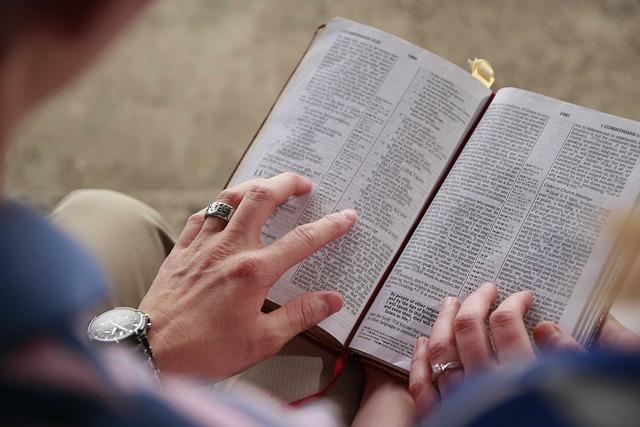
Understanding the difference between studying the Bible academically and promoting its religious teachings in schools
When it comes to the Bible in schools, it’s important to understand the difference between studying it academically and promoting its religious teachings. While the Bible can be a valuable source of historical and cultural knowledge, it’s essential to ensure that any discussion of its religious teachings is done in a respectful and unbiased manner.
Academic Study of the Bible:
- Focuses on historical context
- Examines literary themes and symbols
- Explores the impact on culture and society
Promotion of Religious Teachings:
- Advocates for specific beliefs
- Encourages worship or practice
- Promotes religious indoctrination
While Bibles are not banned in schools, it’s crucial for educators to approach the subject with sensitivity and respect for diverse beliefs. By understanding the distinction between academic study and religious promotion, schools can create a more inclusive and educational environment for all students.

Exploring alternative ways to educate students about religion without using the Bible in public school classrooms
When it comes to educating students about religion in public school classrooms, there are legal considerations that must be taken into account. While the Bible is a common religious text used in many educational settings, there are alternative ways to teach students about religion without relying on this specific text.
Legal Insights:
One key factor to consider is the separation of church and state, which is a foundational principle in the United States. This means that public schools cannot promote or endorse one religion over another, including the use of religious texts like the Bible in the classroom.
However, there are still ways to educate students about religion in a constitutional manner. Here are some alternative options to consider:
- Comparative religion courses that explore multiple religions without promoting one over another.
- Teaching about the role of religion in history, literature, and culture without focusing solely on religious texts.
- Inviting guest speakers from various religious backgrounds to provide insight into different belief systems.
Key Takeaways
In conclusion, the topic of whether Bibles are banned in schools can be a contentious issue. While the law allows for certain restrictions on religious material in public schools, it is important to understand the nuances and interpretations of these laws. It is always best to seek legal guidance to ensure that your rights are protected. Stay informed, stay educated, and remember that knowledge is power. Thank you for reading our legal insights on this important subject.


 WAIT! YOUR DIVINE CONNECTION IS BLOCKED