

Cultural Comfort: Find Solace in Indian Prayer for Healing Traditions
In times of uncertainty and distress, many turn to the ancient traditions of prayer and healing for comfort and solace. In the rich tapestry of Indian culture, there exists a wealth of practices that not only soothe the soul but also provide a grounding sense of peace. In this article, we will delve into the world of Indian prayer for healing traditions, exploring the unique techniques and rituals that have been passed down through generations. Join us on a journey of cultural comfort and discover the power of Indian spirituality in times of need.
Contents
- Introduction: Explore the Healing Power of Indian Prayer and Tradition
- Understanding the Significance of Indian Prayer in Healing Practices
- Exploring Cultural Comfort through Indian Prayer Routines
- Traditional Indian Healing Techniques: Incorporating Prayer for Physical and Emotional Well-being
- Meditative Practices in Indian Prayer: Finding Inner Peace and Calm
- The Role of Rituals and Symbols in Indian Prayer for Healing
- Navigating the Concept of Self-care and Wellness through Indian Healing Traditions
- Incorporating Mantras and Chants for Spiritual and Emotional Healing
- Cultural Respect and Sensitivity in Adopting Indian Prayer Practices
- Benefits of Seeking Solace in Indian Prayer for Healing Traditions
- Recommendations for Embracing Indian Prayer as a Path to Cultural Comfort and Healing
- The Way Forward
Introduction: Explore the Healing Power of Indian Prayer and Tradition
India has a rich cultural heritage that is deeply rooted in spirituality and tradition. Indian prayer and healing practices have been passed down through generations, offering comfort and solace to those in need. Through the power of prayer, individuals can connect with something greater than themselves and find peace in times of distress.
Indian prayer encompasses a wide range of rituals and traditions that are believed to promote healing and well-being. From chanting mantras to performing elaborate ceremonies, each practice is designed to cultivate a sense of inner peace and harmony. By engaging in these spiritual practices, individuals can tap into their inner strength and find the resilience to overcome challenges.
One of the most powerful aspects of Indian prayer is its ability to create a sense of community and belonging. When individuals come together to pray, they form a bond that transcends individual differences and fosters unity. This sense of togetherness can be a source of comfort and support during difficult times, providing a sense of connection and solidarity.
Overall, Indian prayer and healing traditions offer a unique and holistic approach to well-being that combines spirituality, tradition, and community. By exploring these practices, individuals can tap into the healing power of prayer and find comfort in the rich cultural heritage of India.
Understanding the Significance of Indian Prayer in Healing Practices
Indian prayer holds a significant role in the healing practices of the culture, providing a sense of spiritual connection and comfort during times of illness or distress. These traditional prayers are deeply rooted in ancient beliefs and rituals, aiming to align the mind, body, and spirit in harmony for overall well-being. Understanding the significance of Indian prayer in healing traditions can offer individuals a unique perspective on the power of spiritual healing.
In Indian culture, prayer is not just a verbal communication with a higher power, but a form of meditation and connection to the divine energy within and around us. Through prayer, individuals can channel positive energy, seek guidance, and find solace in moments of uncertainty or pain. The practice of Indian prayer in healing traditions emphasizes the importance of faith, positivity, and inner strength as essential components of the healing process.
Indian prayer rituals often involve the use of symbolic elements such as incense, candles, and sacred texts to create a sacred space for spiritual communication and healing. These rituals are passed down through generations, carrying the wisdom and intentions of ancestors who believed in the power of prayer to overcome challenges and restore balance. By incorporating Indian prayer into healing practices, individuals can tap into a rich cultural heritage that promotes holistic healing and well-being.
Overall, embracing Indian prayer in healing traditions can provide a sense of cultural comfort and emotional support during challenging times. Whether seeking physical, emotional, or spiritual healing, incorporating these ancient practices can help individuals find solace and strength in their journey towards wellness. The significance of Indian prayer lies in its ability to foster a deep connection to the self, the divine, and the universe, offering a powerful tool for healing and transformation.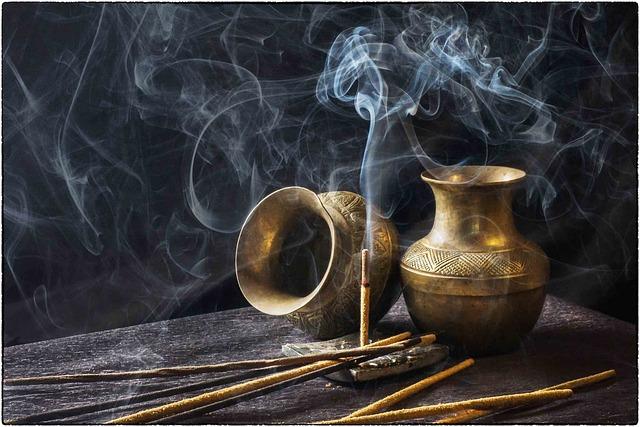
Exploring Cultural Comfort through Indian Prayer Routines
Prayer is a powerful tool that transcends boundaries, connecting individuals to their spiritual selves and offering comfort in times of need. In Indian culture, prayer is not just a religious ritual but a way of life, deeply rooted in tradition and belief. Exploring Indian prayer routines can provide a sense of cultural comfort and solace, allowing individuals to immerse themselves in the healing traditions of this ancient practice.
<p>Indian prayer routines often involve various elements such as chanting mantras, performing rituals, and offering offerings to deities. These practices are designed to create a sense of harmony and balance within the individual, promoting spiritual growth and emotional well-being. By engaging in these routines, individuals can find peace and serenity in the midst of life's challenges.</p>


<p>One of the most common Indian prayer routines is the practice of <strong>meditation</strong>, which involves calming the mind and focusing on one's breath to achieve a state of inner peace. <strong>Yoga</strong> is another integral part of Indian prayer, combining physical postures with spiritual awareness to promote overall health and well-being. <strong>Puja ceremonies</strong> are also a significant aspect of Indian prayer, where individuals offer prayers, flowers, and food to deities as a form of devotion and gratitude.</p>


<table class="wp-block-table">

    <tr>

        <td>Mantra chanting</td>

        <td>Calms the mind and uplifts the spirit</td>

    </tr>

    <tr>

        <td>Ritual offerings</td>

        <td>Symbolize devotion and reverence</td>

    </tr>

</table>
Traditional Indian Healing Techniques: Incorporating Prayer for Physical and Emotional Well-being
Incorporating traditional Indian healing techniques into your wellness routine can bring a sense of cultural comfort and spiritual connection. Prayer has long been used as a powerful tool for healing, both physically and emotionally, in Indian traditions. By incorporating prayer into your daily practice, you can tap into the ancient wisdom and energy of these healing traditions.
Indian prayer for physical and emotional well-being often involves mantras, chants, and affirmations that are believed to harness the healing power of the universe. These prayers are not only soothing to the soul but are also believed to have a tangible impact on one’s health and well-being. By reciting these prayers regularly, you can create a sacred space for healing and transformation within yourself.
Whether you are seeking relief from physical pain, emotional distress, or simply looking to enhance your overall well-being, incorporating Indian prayer into your healing practice can be a powerful and transformative experience. Take some time each day to connect with the divine through prayer, and you may find yourself feeling more grounded, centered, and at peace with yourself and the world around you. Embrace the wisdom of ancient healing traditions and find solace in the power of Indian prayer for your overall wellness.
Meditative Practices in Indian Prayer: Finding Inner Peace and Calm
When it comes to finding inner peace and calm, the meditative practices in Indian prayer offer a rich tradition of healing techniques that can help individuals connect with their spiritual selves and find solace in times of need. These practices have been passed down through generations, offering a sense of cultural comfort and a deep connection to ancient traditions.
One of the most well-known meditative practices in Indian prayer is Yoga, which combines physical postures, breathing exercises, and meditation to help individuals achieve balance and harmony in mind, body, and spirit. Through the practice of yoga, individuals can cultivate a sense of inner peace and calm, while also improving their overall health and well-being.
Mindfulness meditation is another important practice in Indian prayer that involves focusing on the present moment and being fully aware of one’s thoughts and feelings without judgment. This practice can help individuals reduce stress, anxiety, and negative emotions, while also promoting a sense of inner peace and tranquility.
By incorporating these meditative practices into their daily routines, individuals can tap into the healing traditions of Indian prayer and find comfort in their cultural heritage. Whether through yoga, mindfulness meditation, or other ancient techniques, the path to inner peace and calm is within reach for those who seek it.
The Role of Rituals and Symbols in Indian Prayer for Healing
In Indian prayer for healing, rituals and symbols play a crucial role in providing comfort and a sense of connection to the divine. These traditions have been passed down through generations, offering a source of solace and strength during times of illness or distress.
Rituals:
- Rituals such as lighting incense, offering flowers, and reciting mantras are common practices in Indian prayer for healing.
- These rituals are believed to create a sacred atmosphere that invites divine intervention and healing energy.
- By engaging in these rituals, individuals can feel a sense of control and empowerment over their health and well-being.
Symbols:
- Symbols such as the lotus flower, Om symbol, and images of deities like Lord Shiva or Goddess Durga are often used in Indian prayer for healing.
- These symbols represent qualities such as purity, harmony, and protection, which are believed to aid in the healing process.
- By focusing on these symbols during prayer, individuals can tap into their deeper meaning and find comfort and reassurance in their healing journey.

Indian healing traditions have long recognized the importance of self-care and wellness. These traditions are deeply rooted in spiritual practices, herbal remedies, and mindfulness techniques that aim to bring balance and harmony to the mind, body, and soul.
One of the key aspects of Indian healing traditions is the use of prayer for healing. Through prayer, individuals can connect with higher spiritual forces and invoke positive energy for their well-being. This practice not only provides a sense of comfort and solace but also serves as a powerful tool for healing and self-care.
Indian healing traditions also emphasize the importance of holistic approaches to wellness. This includes incorporating practices such as yoga, meditation, Ayurveda, and traditional herbal remedies into daily routines. By embracing these ancient practices, individuals can nurture their physical, mental, and emotional well-being.
By exploring and embracing Indian healing traditions, individuals can find a sense of cultural comfort and deep connection to their roots. These traditions offer valuable insights and tools for navigating the concept of self-care and wellness, allowing individuals to cultivate a sense of balance, peace, and harmony in their lives.
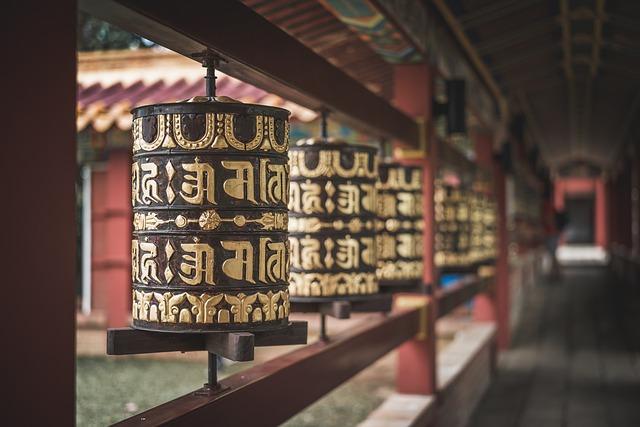
Incorporating Mantras and Chants for Spiritual and Emotional Healing
Mantras and chants have been used for centuries in Indian spiritual traditions as powerful tools for healing and emotional well-being. Incorporating these ancient practices into your daily routine can bring a sense of calm and peace to your life.
**Benefits of Using Mantras and Chants for Healing:**
- Help to focus the mind and increase mindfulness
- Promote relaxation and reduce stress
- Aid in emotional healing and processing
- Connect with a deeper sense of spirituality
**Popular Mantras and Chants for Healing:**
- Om Shanti: This mantra invokes peace and tranquility
- Lokah Samastah Sukhino Bhavantu: A prayer for the well-being and happiness of all beings
- Gayatri Mantra: A powerful chant for enlightenment and spiritual growth
- Om Namah Shivaya: Devotion to Lord Shiva for inner peace and healing
| Mantra | Meaning |
|---|---|
| Om Shanti | Peace |
| Lokah Samastah Sukhino Bhavantu | Well-being of all beings |
| Gayatri Mantra | Enlightenment |
| Om Namah Shivaya | Inner peace |
Cultural Respect and Sensitivity in Adopting Indian Prayer Practices
When it comes to adopting Indian prayer practices, it is important to approach with cultural respect and sensitivity. Indian prayer traditions are deeply rooted in history and spirituality, and it is crucial to honor and understand the significance of these practices. By embracing cultural comfort and finding solace in Indian prayer for healing traditions, individuals can cultivate a deeper connection to themselves and the world around them.
One key aspect of adopting Indian prayer practices is to approach with an open mind and willingness to learn. By taking the time to educate oneself on the cultural significance of different prayers and rituals, individuals can ensure that they are engaging in these practices in a respectful manner. This includes understanding the meanings behind specific prayers, as well as any cultural or spiritual context that may be relevant.
Another important consideration when adopting Indian prayer practices is to honor the traditions and beliefs of the indigenous communities from which these practices originate. This means avoiding cultural appropriation and instead seeking guidance and permission from knowledgeable sources within the community. By respecting the boundaries and protocols set by these communities, individuals can ensure that they are engaging in Indian prayer practices in a culturally sensitive and respectful way.
Overall, finding cultural comfort in Indian prayer for healing traditions can be a powerful and transformative experience. By approaching with respect, openness, and a willingness to learn, individuals can deepen their connection to Indian spirituality and find solace in the rich traditions of prayer and healing that have been passed down through generations.

Benefits of Seeking Solace in Indian Prayer for Healing Traditions
Embark on a journey of cultural comfort and healing by seeking solace in Indian prayer traditions. These ancient practices have been passed down through generations, offering a sense of peace and tranquility in times of need. By incorporating Indian prayer for healing into your daily routine, you can experience a multitude of benefits for both your mind and body.
One of the key advantages of Indian prayer traditions is their ability to promote mental clarity and emotional well-being. Through the recitation of sacred mantras and the practice of meditation, individuals can find inner peace and a sense of calm amidst life’s challenges. This spiritual connection can help reduce stress and anxiety, leading to improved overall mental health.
Additionally, Indian prayer for healing can have physical benefits as well. The power of positive energy and intention can promote healing within the body, aiding in the recovery process from illness or injury. By incorporating prayer rituals into your daily routine, you can strengthen your immune system and enhance your overall sense of well-being.
Overall, seeking solace in Indian prayer traditions offers a holistic approach to healing that addresses the mind, body, and spirit. By embracing these ancient practices, you can find comfort and support in times of need, ultimately leading to a more balanced and harmonious life.
Recommendations for Embracing Indian Prayer as a Path to Cultural Comfort and Healing
Indian prayer has been a longstanding tradition that provides comfort and healing to those who practice it. By embracing Indian prayer as a path to cultural comfort, individuals can connect with their heritage and find solace in the rich traditions that have been passed down through generations.
When seeking cultural comfort and healing through Indian prayer, it is important to approach the practice with an open mind and heart. Allow yourself to be fully present in the moment, embracing the power of prayer to bring peace and healing to your mind, body, and spirit.
One recommendation for incorporating Indian prayer into your daily routine is to create a sacred space where you can meditate, pray, and connect with your ancestors. This could be a corner of your home adorned with meaningful objects, such as crystals, candles, or sacred symbols that hold significance in Indian culture.
Additionally, consider exploring different Indian prayer practices, such as chanting mantras, reciting sacred texts, or participating in traditional ceremonies. By immersing yourself in these rituals, you can deepen your connection to your cultural roots and experience the profound healing powers of Indian prayer.
The Way Forward
In summary, Indian prayer for healing traditions offer a unique and profound way to find solace and comfort in times of need. By exploring these cultural practices, we can tap into a centuries-old tradition that has stood the test of time. Whether you are seeking physical, emotional, or spiritual healing, incorporating Indian prayer into your routine may provide the sense of calm and connection you are looking for. So why not give it a try and see how it can positively impact your well-being


 YOUR WEALTH MANIFESTATION BEGINS IN 3...2...1...