

Hours of Fasting for Lent: Finding Balance in Devotion
As Lent approaches, many Christians prepare for a season of fasting and devotion. One of the key practices during Lent is fasting, a time of self-denial and spiritual reflection. However, finding the right balance in the hours of fasting can be a challenge. In this article, we will explore the importance of finding balance in your devotion during the Lenten season. Join us as we delve into the significance of fasting and how to approach it with a sense of mindfulness and purpose.
Contents
- Hours of Fasting for Lent: Finding Balance in Devotion
- The Significance of Fasting during Lent
- Understanding the Purpose of Lenten Fasting
- Finding the Right Hours for Fasting during Lent
- Balancing Spiritual Growth with Physical Well-being
- Choosing a Fasting Schedule that Works for You
- Practical Tips for Maintaining Energy during Fasting Hours
- Focusing on Prayer and Reflection during Fasting Hours
- Seeking Support and Encouragement from Others during Lenten Fasting
- Embracing Flexibility and Grace in Your Fasting Journey
- Reflecting on the Meaning of Sacrifice and Devotion during Lent
- Future Outlook
Hours of Fasting for Lent: Finding Balance in Devotion
During the Lenten season, many Christians choose to fast as a way of spiritual discipline and reflection. It is a time to focus on prayer, repentance, and self-denial. Finding a balance in devotion during this time of fasting is key to nurturing one’s relationship with God.
Fasting during Lent is traditionally observed by refraining from eating meat on Ash Wednesday and Good Friday, as well as giving up a favorite food or luxury item for the entire forty days. Some may choose to fast from sunrise to sunset, while others may fast for certain hours of the day. Finding the right balance in fasting can be a personal journey of self-discovery and spiritual growth.
It is important to remember that fasting is not about deprivation or punishment, but rather a way to draw closer to God. By focusing on prayer and meditation during the hours of fasting, one can cultivate a deeper sense of devotion and connection to their faith. Remember to listen to your body’s needs and consult with a spiritual advisor if you have any health concerns.
The Significance of Fasting during Lent
During Lent, fasting holds great significance in the Christian tradition. It is a time where believers voluntarily choose to abstain from certain foods or activities as a form of spiritual discipline and reflection. Fasting is not just about giving up something indulgent; it is about redirecting our focus towards God, seeking a deeper connection and understanding of our faith.
Finding a balance in our fasting during Lent is crucial. It is important to remember that the goal is not self-deprivation but rather self-discipline and devotion. By denying ourselves certain pleasures, we are reminded of the sacrifices made by Jesus Christ and are more able to empathize with his suffering. Fasting helps us to cultivate self-control, humility, and gratitude for the blessings in our lives.
The hours of fasting for Lent can vary among different denominations and individuals. Some may choose to fast from sunrise to sunset, while others may opt for specific time frames throughout the day. Whatever the duration, the key is to approach fasting with a sincere heart and a desire to draw closer to God. In this season of Lent, let us embrace the practice of fasting with open hearts and minds, allowing it to deepen our spiritual journey and strengthen our relationship with God.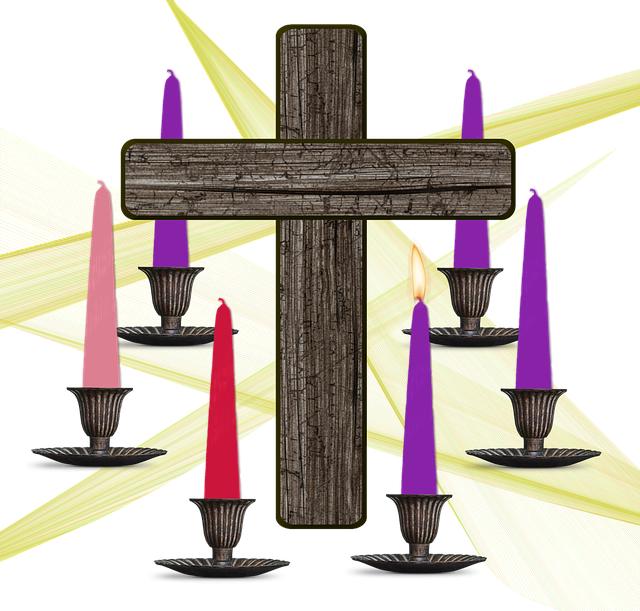
Understanding the Purpose of Lenten Fasting
Lenten fasting is a sacred tradition observed by many Christians around the world. It is a period of self-discipline, reflection, and spiritual growth that begins on Ash Wednesday and culminates on Easter Sunday. During this time, believers abstain from certain foods or activities as a way to deepen their connection with God and prepare their hearts for the celebration of Jesus’ resurrection.
is essential for finding balance in devotion during this holy season. It is not simply about depriving oneself of pleasures, but rather about redirecting focus towards prayer, repentance, and acts of service. By sacrificing something meaningful, whether it be a favorite food, a bad habit, or excess screen time, individuals are reminded of their dependence on God and are encouraged to grow in virtue.
One key aspect of Lenten fasting is the idea of moderation. While it is important to challenge oneself during this time, it is equally important to avoid extremes that may lead to harm or obsession. Finding a healthy balance between self-denial and self-care is crucial for a sustainable and enriching Lenten experience. This balance allows for spiritual growth without sacrificing mental and physical well-being.
In summary, Lenten fasting is a time-honored practice that serves a higher purpose. By understanding the significance of this tradition and approaching it with intentionality and moderation, individuals can cultivate a deeper sense of spirituality and draw closer to God during this sacred season.

Finding the Right Hours for Fasting during Lent
One key aspect of observing Lent is fasting, which involves abstaining from certain foods or meals during specific times. Finding the right hours for fasting during this period can help you strike a balance between devotion and physical well-being. It’s important to remember that fasting is meant to be a spiritual practice that strengthens your connection to your faith.
**Tips for :**
– **Consider your daily routine**: Take into account your work schedule, family commitments, and other responsibilities when deciding on the hours for fasting. Choose a time when you can focus on prayer and reflection without being distracted.
– **Consult with your spiritual advisor**: If you’re unsure about the best hours for fasting, seek guidance from your spiritual advisor or a religious leader. They can provide you with personalized recommendations based on your individual circumstances.
– **Listen to your body**: Pay attention to how your body responds to fasting and adjust the hours accordingly. It’s important to prioritize your health and well-being while observing Lent.
In summary, is a personal journey that requires reflection, careful planning, and listening to your body. By approaching fasting with intention and mindfulness, you can enhance your spiritual experience during this sacred time.
Balancing Spiritual Growth with Physical Well-being
Fasting during Lent is a traditional practice that many Christians undertake as a way to deepen their spiritual connection and discipline. However, balancing hours of fasting with physical well-being is essential to ensure a healthy approach to devotion. It is crucial to find a harmonious middle ground that allows for spiritual growth while also taking care of our bodies.
One way to balance spiritual growth with physical well-being during Lent is by being mindful of what and how much we eat during non-fasting hours. It is important to nourish our bodies with wholesome and nutritious foods that provide us with the energy we need to carry out our daily activities. Incorporating plenty of fruits, vegetables, whole grains, and lean proteins into our meals can help us maintain our physical well-being while observing fasting hours.
Additionally, staying hydrated is key to supporting both our spiritual and physical health. Drinking an adequate amount of water throughout the day can help prevent dehydration and keep our bodies functioning optimally. Hydration is especially important during fasting hours when we may not be consuming food, as it helps to maintain our energy levels and overall well-being.
| Tip for Balancing Spiritual Growth and Physical Well-being |
|---|
| Practice mindful eating during non-fasting hours |
| Stay hydrated by drinking plenty of water |
| Listen to your body’s needs and adjust your fasting routine accordingly |

Choosing a Fasting Schedule that Works for You
When it comes to during Lent, it’s essential to find a balance that allows you to honor your devotion while also taking care of your physical and mental well-being. One approach is to consider the number of hours you will be fasting each day. This can vary depending on individual preferences and needs, so it’s important to choose a schedule that feels sustainable and comfortable for you.
Some factors to consider when selecting your fasting hours include your daily routine, work schedule, and personal preferences. You may find it helpful to experiment with different fasting windows to see what works best for your body and lifestyle. Whether you choose to fast for 12 hours, 16 hours, or even a full day, the key is to listen to your body and make adjustments as needed.
Here are a few tips to keep in mind when determining your fasting schedule:
- Start slowly and gradually increase the length of your fasting periods to allow your body to adjust.
- Stay hydrated during your fasting hours by drinking plenty of water and herbal teas.
- Consider incorporating nutrient-rich foods into your meals when breaking your fast to support your body’s needs.
| Hours of Fasting | Recommended Daily Activities |
|---|---|
| 12 hours | Light exercise, meditation, work |
| 16 hours | Yoga, walking, reading, creative activities |
| 24 hours | Rest, relaxation, spiritual practice |

Practical Tips for Maintaining Energy during Fasting Hours
One of the key challenges during fasting hours for Lent is maintaining energy levels to sustain both physical and mental well-being. It’s essential to strike a balance between fasting and nourishing your body during this period of devotion. Here are some practical tips to help you stay energized and focused:
- Stay Hydrated: Dehydration can lead to fatigue and a lack of concentration. Drink plenty of water during non-fasting hours to stay hydrated.
- Eat Nutrient-Dense Foods: Opt for whole foods that are rich in nutrients to fuel your body. Include protein, healthy fats, fruits, and vegetables in your meals.
- Avoid Sugary Foods: While it may be tempting to reach for quick energy fixes like sugary snacks, they can cause energy crashes. Choose complex carbohydrates instead.
- Take Short Breaks: Allow yourself time to rest and recharge throughout the day. Taking short breaks can help you maintain your energy levels.

Focusing on Prayer and Reflection during Fasting Hours
During the sacred season of Lent, many Christians partake in fasting as a form of spiritual discipline and reflection. As we abstain from certain foods or activities, it is essential to find balance by focusing on prayer and reflection during the fasting hours. This intentional time of devotion allows us to draw closer to God and gain a deeper understanding of our faith.
One way to enhance your prayer and reflection during fasting hours is to create a designated sacred space in your home. This could be a cozy corner with a comfortable chair, a small table for a journal and Bible, and perhaps a candle or other symbolic items to help set the mood for contemplation. By intentionally setting aside this space for prayer and reflection, you can create a peaceful atmosphere conducive to connecting with God.
Another helpful practice is to establish a daily prayer routine that includes specific times for prayer and reflection during the fasting hours. Whether it be early in the morning, during lunch break, or before bedtime, setting aside dedicated times for prayer can help you stay focused and intentional in your spiritual journey. Use this time to meditate on Scripture, offer up prayers of thanksgiving and petition, and reflect on your relationship with God.
Additionally, consider incorporating fasting-friendly activities into your prayer and reflection time. This could include listening to worship music, reading devotional books, or practicing gratitude journaling. By engaging in activities that align with the spirit of fasting, you can deepen your connection with God and enhance your spiritual growth during the Lenten season.
Seeking Support and Encouragement from Others during Lenten Fasting
As we journey through Lent, many of us partake in the traditional practice of fasting, sacrificing certain foods or meals to deepen our spiritual connection with God. However, fasting can be a challenging endeavor, both physically and spiritually. That’s why seeking support and encouragement from others can be incredibly beneficial during this time.
Whether you’re a seasoned veteran of Lenten fasting or new to the practice, having a community of like-minded individuals to lean on can provide much-needed accountability and motivation. It’s important to remember that you’re not alone in your efforts and that others are facing similar struggles and triumphs.
By sharing your experiences, challenges, and victories with others, you can build a sense of camaraderie and solidarity that can help sustain you through the long hours of fasting. Encouraging one another, offering tips and advice, and providing a listening ear can make the journey a little bit easier and more fulfilling.
So, reach out to your friends, family, or church community for support during this Lenten season. Together, you can navigate the ups and downs of fasting, finding balance in devotion and drawing closer to God in the process.

Embracing Flexibility and Grace in Your Fasting Journey
In your fasting journey during Lent, it’s essential to embrace flexibility and grace. While setting hours for fasting can be a helpful guide, it’s crucial to find a balance that works for you both physically and spiritually. Here are some tips to help you navigate your fasting practices with flexibility and grace:
- Listen to your body: Pay attention to how your body is feeling during your fasting hours. If you’re feeling weak or dizzy, it’s important to honor your body’s needs and consider adjusting your fasting schedule.
- Be gentle with yourself: Remember that fasting is a personal practice, and it’s okay to make adjustments as needed. Don’t be too hard on yourself if you need to modify your fasting hours or practices.
- Stay focused on your intentions: Keep your spiritual goals in mind as you navigate your fasting journey. Focus on deepening your connection with your faith and practice gratitude for the opportunity to fast.
By finding a balance between devotion and self-care, you can make the most of your fasting journey during Lent. Remember that it’s okay to adapt your fasting practices to suit your individual needs and circumstances, and approach your journey with flexibility and grace.

Reflecting on the Meaning of Sacrifice and Devotion during Lent
As we journey through the season of Lent, we are reminded of the importance of sacrifice and devotion in our spiritual lives. During this time, many Christians choose to fast as a way to reflect on the ultimate sacrifice made by Jesus Christ. Fasting can take many forms, from abstaining from certain foods to limiting the amount of time spent on non-essential activities.
While fasting can be a powerful way to deepen our connection to our faith, it is important to find a balance that works for each individual. It’s essential to listen to your body and spirit during this time, making sure that your fast is sustainable and meaningful. Remember, the goal of fasting is not to punish yourself, but to draw closer to God.
Consider incorporating other practices into your Lenten observance, such as prayer, meditation, or acts of service. These activities can complement your fasting and help you to cultivate a deeper sense of devotion. By finding a balance between physical sacrifice and spiritual growth, you can make the most of this sacred season.
Future Outlook
As you embark on your Lenten journey and consider the hours of fasting, remember that balance is key. While it’s important to show devotion and discipline during this sacred time, it’s equally important to take care of your body and find a healthy balance that works for you. By listening to your body, practicing moderation, and seeking support from your community, you can successfully navigate the hours of fasting and grow closer to God in the process. Wishing you a blessed and fulfilling Lenten season.


 WAIT! YOUR DIVINE CONNECTION IS BLOCKED