

Importance of Lent and Fasting in Orthodox Church: Embracing Ancient Practices
Lent and fasting hold significant importance in the Orthodox Church, serving as sacred traditions that have been passed down through generations. In this article, we will delve into the origins of these ancient practices, explore their significance in the modern world, and discover how embracing them can deepen our spiritual journey. Join us as we uncover the timeless wisdom and transformative power of Lent and fasting in Orthodox Christianity.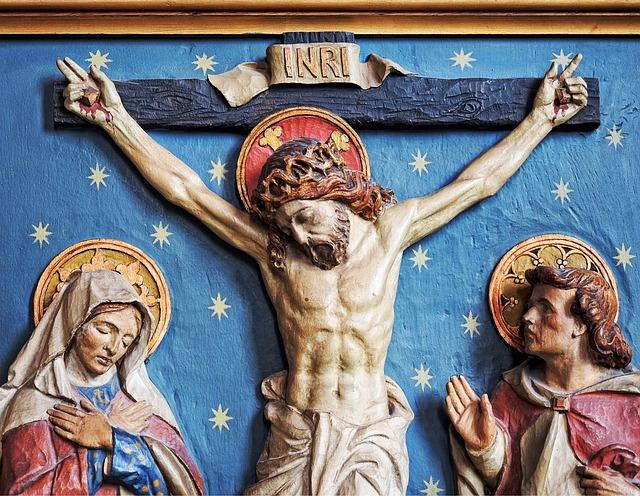
Contents
- The Meaning of Lent in the Orthodox Church
- Historical Roots of Fasting in Orthodox Tradition
- Spiritual Benefits of Lenten Observance
- Fasting as a Path to Self-Discipline and Reflection
- Embracing the Tradition of Lent in Modern Times
- Recommendations for Participating in Lenten Practices
- Connection Between Fasting and Prayer in the Orthodox Church
- Impact of Fasting on Mental and Physical Health
- Honoring Ancient Practices During the Lenten Season
- Encouraging Community Engagement Through Fasting
- Integrating Lenten Observances into Daily Life
- In Retrospect
The Meaning of Lent in the Orthodox Church
Lent is a crucial period in the Orthodox Church, representing a time of spiritual preparation and reflection leading up to Easter. This season of fasting and prayer holds great significance for Orthodox Christians, as it allows individuals to deepen their connection with their faith and engage in practices that have been upheld for centuries.
During Lent, Orthodox believers are encouraged to fast from certain foods, such as meat, dairy, and fish, as a way to discipline the body and focus on spiritual growth. By abstaining from these foods, individuals are reminded of the sacrifices made by Jesus Christ and can enter into a state of self-denial and repentance.
Additionally, Lent is a time for increased prayer, attending church services, and charitable acts. Through these actions, Orthodox Christians seek to purify their hearts and minds, drawing closer to God and striving for inner transformation. The emphasis on prayer and fasting during Lent serves as a reminder of the importance of humility, forgiveness, and love in the journey towards spiritual renewal.

Historical Roots of Fasting in Orthodox Tradition
Fasting and Lent hold significant importance in the Orthodox Church, deeply rooted in historical tradition. These practices are not mere rituals but are essential aspects of spiritual growth and connection to God. The Orthodox faithful embrace these ancient practices with reverence and commitment, recognizing the transformative power they hold for the soul.
During Lent, Orthodox Christians engage in a period of fasting, prayer, and almsgiving leading up to Easter. Fasting is not simply abstaining from food but encompasses a holistic approach to discipline, self-control, and purification of the body and soul. By restricting certain foods and indulgences, believers aim to focus on spiritual matters, cultivate humility, and draw closer to God.
The roots of fasting in the Orthodox tradition can be traced back to the early Church Fathers who emphasized the importance of self-denial and moderation. The practice of fasting is seen as a way to combat worldly distractions, cleanse the heart, and prepare for the celebration of Christ’s resurrection. Through fasting, Orthodox Christians seek to attain spiritual clarity, inner peace, and a deeper sense of communion with God.
Spiritual Benefits of Lenten Observance
Lent, the 40-day period leading up to Easter, is a time of reflection, prayer, and fasting for Orthodox Christians. It is a time to cleanse the body and soul, renewing one’s connection to God and seeking spiritual growth. Fasting during Lent is not just about giving up certain foods or habits; it is a way to focus on spiritual discipline, self-control, and humility.
There are several spiritual benefits to observing Lent in the Orthodox Church:
- Renewed Focus on Prayer: Lent provides an opportunity to dedicate more time to prayer and meditation, allowing individuals to deepen their relationship with God and reflect on their spiritual journey.
- Increased Self-Discipline: Fasting during Lent helps develop self-discipline and control over one’s desires and impulses, leading to a stronger sense of willpower and mastery over one’s actions.
- Enhanced Spiritual Awareness: By abstaining from certain foods and activities, individuals can tune into their spiritual needs and become more attuned to the presence of God in their lives.
Overall, Lenten observance in the Orthodox Church is a time of spiritual growth, introspection, and dedication to living a more Christ-centered life. It is a time to step back, evaluate one’s priorities, and deepen one’s faith in preparation for the celebration of Christ’s resurrection at Easter.

Fasting as a Path to Self-Discipline and Reflection
Fasting during Lent is a longstanding tradition in the Orthodox Church, dating back to early Christian practices. It is seen as a way to purify the body and soul, strengthen self-discipline, and reflect on one’s spiritual journey. Through fasting, believers are encouraged to abstain from certain foods or practices, such as meat or dairy, in order to focus on prayer, repentance, and charity.
During this solemn period leading up to Easter, Orthodox Christians fast as a way to emulate Christ’s 40-day fast in the desert. By denying themselves earthly pleasures, they seek to deepen their connection to God and grow closer to their faith. This act of self-discipline is believed to help believers overcome their passions and weaknesses, leading to spiritual growth and enlightenment.
In addition to fasting from food, Orthodox Christians also engage in other forms of spiritual discipline during Lent, such as attending church services, reading scripture, and participating in acts of charity. It is a time of introspection and self-examination, where believers are encouraged to reflect on their thoughts and actions, seek forgiveness for their sins, and strive to live a more virtuous life.
Overall, fasting during Lent in the Orthodox Church is not just a physical practice, but a way to engage in a deeper spiritual journey. It is a time to recalibrate one’s priorities, strengthen self-discipline, and cultivate a closer relationship with God. By embracing these ancient practices, believers can experience personal growth and transformation in their faith.
Embracing the Tradition of Lent in Modern Times
In the Orthodox Church, Lent is a time of spiritual renewal and reflection that dates back centuries. allows us to connect with our faith in a meaningful way and draw closer to God. Fasting during this period is not just about abstaining from certain foods, but also about refraining from distractions and focusing on prayer, repentance, and almsgiving.
Importance of Lent in Orthodox Church:
- Lent is a time of preparation for the celebration of Easter.
- It is a time to reflect on our sins and seek forgiveness.
- Fasting during Lent helps us practice self-discipline and strengthen our spiritual resolve.
- Lent is a time to draw closer to God through prayer and meditation.
By embracing the ancient practices of Lent, we can experience a deeper connection to our faith and a greater sense of spiritual fulfillment. As we journey through this season of reflection and renewal, may we find the grace and strength to grow in our relationship with God and live out our faith more fully in the modern world.
Recommendations for Participating in Lenten Practices
During the Lenten season, Orthodox Christians engage in various spiritual practices to prepare themselves for Easter. Fasting is a significant aspect of these practices, as it symbolizes self-discipline, repentance, and spiritual growth. To make the most out of this sacred time, here are some :
- Commit to Fasting: Orthodox Christians follow specific guidelines for fasting during Lent, which typically involve abstaining from meat, dairy, and other animal products on certain days. It is essential to adhere to these fasting rules to fully embrace the spiritual significance of the season.
- Increase Prayer and Almsgiving: In addition to fasting, devote more time to prayer and acts of charity. Use this time to deepen your connection with God through regular prayer practices and generous giving to those in need.
- Attend Church Services: Participate in Lenten services at your local Orthodox church to immerse yourself in the rich liturgical traditions of the season. These services, such as the Presanctified Liturgy and the Akathist Hymn, offer opportunities for worship, reflection, and spiritual nourishment.
- Reflect and Repent: Take time during Lent to reflect on your spiritual journey, seek forgiveness for your sins, and make a conscious effort to grow closer to God. Use this period of fasting and prayer to cultivate a spirit of repentance and renewal in your life.

Connection Between Fasting and Prayer in the Orthodox Church
In the Orthodox Church, fasting and prayer are deeply intertwined practices that hold immense spiritual significance. During the period of Lent, Orthodox Christians engage in a time of fasting, prayer, and repentance as they prepare for the celebration of Easter. Fasting is seen as a way to discipline the body and focus the mind on spiritual matters, while prayer is a means of communication with God.
The connection between fasting and prayer is rooted in the belief that both practices work together to deepen one’s relationship with God. By abstaining from certain foods and dedicating more time to prayer, individuals are able to purify their bodies and minds, allowing them to draw closer to God. This spiritual discipline is seen as a way to strengthen one’s faith and grow in holiness.
During fasting periods, Orthodox Christians typically abstain from meat, dairy, and other rich foods, opting instead for simple meals that are free from animal products. This practice not only promotes self-control and discipline but also fosters a sense of solidarity with those who are less fortunate. Through fasting and prayer, Orthodox Christians are able to cultivate a spirit of humility, gratitude, and compassion, which are essential virtues in the Christian faith.
Impact of Fasting on Mental and Physical Health
Fasting has been a long-standing tradition in the Orthodox Church, with believers abstaining from certain foods during Lent to reflect on Christ’s sacrifice. Beyond its religious significance, fasting has been shown to have numerous benefits for both mental and physical health.
One of the main impacts of fasting on mental health is its ability to promote mental clarity and focus. By abstaining from certain foods, individuals can experience a sense of discipline and control over their desires, leading to improved concentration and cognitive function.
Additionally, fasting can have a positive effect on physical health by promoting weight loss, improving digestion, and boosting metabolism. It can also help regulate blood sugar levels and reduce inflammation in the body, leading to overall better health.
Overall, embracing the ancient practice of fasting during Lent can not only deepen one’s spiritual connection but also have lasting benefits for mental and physical well-being. It serves as a reminder of the importance of self-discipline and mindfulness in today’s fast-paced world.
Honoring Ancient Practices During the Lenten Season
In the Orthodox Church, the Lenten season holds great significance as a time for spiritual reflection, repentance, and renewal. Fasting during Lent is a time-honored tradition that dates back to the early days of Christianity. It is a period of self-discipline, self-control, and prayer that helps believers prepare for the celebration of Easter.
Why is fasting important during Lent?
- Fasting is a way to purify the body and soul, allowing believers to focus on their spiritual growth and relationship with God.
- It is a form of self-denial that helps cultivate humility and compassion for others in need.
- Fasting during Lent also serves as a reminder of Jesus’ sacrifice and the importance of faith and obedience in the Christian life.
During the Lenten season, Orthodox Christians abstain from meat, dairy, and certain other foods as a way of honoring ancient practices and traditions. This period of fasting helps believers draw closer to God and strengthen their commitment to living a life of faith and service to others. By embracing these ancient practices, believers can experience a deeper sense of spiritual renewal and growth during the Lenten season.

Encouraging Community Engagement Through Fasting
Fasting is a crucial aspect of the Orthodox Church, especially during the Lenten season. It is a time when believers abstain from certain foods and practices as a way to purify their bodies and minds, drawing closer to God through prayer, repentance, and self-discipline. The Lenten fast is not just about giving up food or indulgences; it is about deepening one’s relationship with God and strengthening their spiritual practices.
Through fasting, individuals in the Orthodox Church are encouraged to reflect on their sins, seek forgiveness, and strive for inner transformation. Fasting is seen as a way to detach from worldly distractions and focus on spiritual growth. By embracing the ancient practice of fasting, believers can experience a sense of community with others who are also participating in the fast, fostering unity and solidarity within the Church.
During Lent, Orthodox Christians are called to abstain from meat, dairy, fish, and other indulgent foods as a way to commemorate Jesus’ 40 days of fasting in the wilderness. This period of self-denial and moderation helps individuals to develop self-control, discipline, and empathy for those who are less fortunate. By participating in the Lenten fast, believers can also deepen their understanding of the struggles and sacrifices made by early Christians, connecting them to the rich traditions of the Church.
| Benefits of Fasting in the Orthodox Church: |
| – Spiritual purification |
| – Community solidarity |
| – Self-discipline and self-control |
| – Deepening of faith and tradition |

Integrating Lenten Observances into Daily Life
Lent in the Orthodox Church is a period of spiritual reflection and renewal, leading up to the celebration of Easter. Fasting during Lent is an important aspect of this observance, as it helps believers detach from worldly pleasures and focus on their relationship with God. By embracing ancient practices such as fasting, Orthodox Christians can deepen their faith and grow closer to God.
**Here are some ways to integrate Lenten observances into your daily life:**
– **Prayer:** Set aside time each day for prayer and reflection, seeking guidance and strength from God to help you through the Lenten season.
– **Fasting:** Follow the guidelines set by the Orthodox Church for fasting during Lent, abstaining from meat, dairy, and other indulgences on designated days.
– **Almsgiving:** Give to those in need during Lent, whether through monetary donations, volunteer work, or acts of kindness towards others.
– **Attend church services:** Take advantage of the extra services offered during Lent, such as weekday liturgies and special prayers, to deepen your spiritual journey.
By incorporating these practices into your daily routine, you can experience the transformative power of Lent and draw closer to God in preparation for Easter.
In Retrospect
Lent and fasting are not just ancient practices in the Orthodox Church; they are essential pillars of our faith that have stood the test of time. By embracing these traditions, we reconnect with our spiritual roots, strengthen our discipline, and deepen our relationship with God. So, as we journey through this season of Lent, let us remember the importance of fasting and how it can transform our hearts and minds. May we all find renewed strength and peace as we embrace these sacred practices.


 YOUR WEALTH MANIFESTATION BEGINS IN 3...2...1...