

Can You Eat Eggs When Fasting for Lent? Dietary Guidelines Explained
Many people around the world observe dietary restrictions during Lent, including abstaining from meat on certain days. But what about eggs? Are you allowed to eat them while fasting? In this article, we will explore the guidelines surrounding egg consumption during Lent and provide clarity on what is and isn’t allowed. So, if you’ve ever wondered if you can still enjoy a plate of eggs during this season of reflection and sacrifice, keep reading to find out more.
Contents
- Can You Include Eggs in Your Lenten Fast Diet?
- Understanding the Tradition of Fasting During Lent
- Exploring the Dietary Guidelines for Lenten Fasting
- Importance of Egg Consumption During Lent
- Nutritional Benefits of Including Eggs in Your Fasting Diet
- Possible Exceptions to the No-Meat Rule During Lent
- How to Prepare Eggs According to Lenten Guidelines
- Balancing Protein Intake with Lenten Fasting Rules
- Addressing Concerns About Egg Consumption During Lent
- Tips for Incorporating Eggs into Your Lenten Fast
- Final Thoughts on Following Dietary Guidelines for Lenten Fasting
- The Way Forward
Can You Include Eggs in Your Lenten Fast Diet?
When it comes to following a Lenten fast diet, many people wonder whether or not eggs are allowed. The answer isn’t as straightforward as you might think, as it depends on the specific dietary guidelines you are following.
<p>Some individuals choose to abstain from all animal products during Lent, including eggs, while others allow for the consumption of eggs. Ultimately, it is up to you to decide what works best for your personal beliefs and dietary restrictions.</p>


<p>If you are considering including eggs in your Lenten fast diet, here are a few things to keep in mind:</p>


<ul>

    <li><strong>Consult with your religious leader:</strong> Before making any dietary decisions during Lent, it's important to consult with your religious leader for guidance on what is appropriate for your specific faith tradition.</li>

    <li><strong>Consider the reasons behind your fast:</strong> If you are fasting for spiritual reasons, it's essential to reflect on why you are abstaining from certain foods and whether or not including eggs aligns with your intentions.</li>

    <li><strong>Choose ethically sourced eggs:</strong> If you decide to eat eggs during Lent, opt for eggs that are ethically sourced and produced in a humane and sustainable manner.</li>

</ul>
Understanding the Tradition of Fasting During Lent
In order to make the most out of your Lenten fasting experience, it’s important to understand the tradition behind it. During Lent, Christians often refrain from certain foods as a form of penance, reflection, and spiritual growth. Fasting is seen as a way to deepen one’s connection with God and to practice self-discipline.
When it comes to dietary guidelines during Lent, the rules can vary depending on the individual and their religious tradition. While some choose to give up all animal products, others make exceptions for certain foods like fish and eggs. In general, however, it is common for people to abstain from meat on Ash Wednesday, Good Friday, and all Fridays during Lent.
If you are wondering whether you can eat eggs when fasting for Lent, the answer is typically yes. Eggs are considered a permissible food for many during this time, as they are not classified as meat. However, it’s always best to consult with your religious leader or spiritual advisor for specific guidelines related to fasting.
| Food | Permitted during Lent? |
|---|---|
| Fish | Yes |
| Eggs | Yes |
| Meat | No (on specific days) |

Exploring the Dietary Guidelines for Lenten Fasting
Eggs are a common source of protein and nutrients, but when it comes to Lenten fasting, the rules can vary. In general, eggs are allowed during Lenten fasting, but restrictions may apply depending on the specific guidelines you follow. The Orthodox Church, for example, permits the consumption of eggs during Lent except for on specific days like Good Friday. It’s always best to consult with your religious leaders or guidelines to clarify any restrictions that may apply to you.
When incorporating eggs into your Lenten fasting diet, consider preparing them in ways that align with the spirit of the season. Boiling or poaching eggs can be a simple and healthy option that avoids the use of oils or fats for frying. You can also enjoy eggs in vegetable omelets or salads to create satisfying and nutritious meals while honoring the fasting guidelines.
Remember that the focus of Lenten fasting is not just on restrictions but also on spiritual reflection and self-discipline. By being mindful of your food choices, including eggs, you can actively participate in the Lenten season while nourishing your body in a way that respects tradition and faith.
Importance of Egg Consumption During Lent
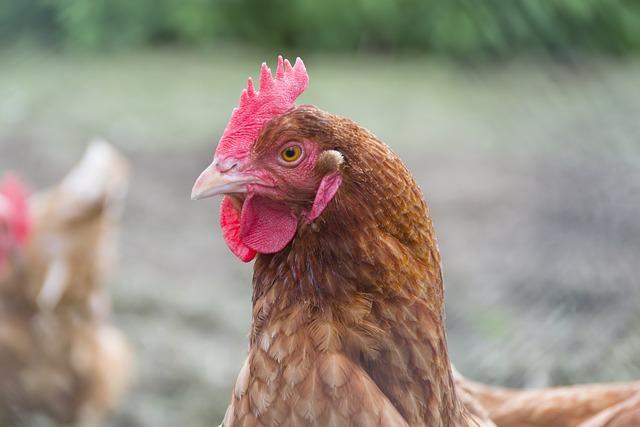
When it comes to observing Lent, many people wonder about the rules surrounding egg consumption. While traditionally, eggs were considered forbidden during this fasting period, the guidelines have evolved over time. In today’s Catholic tradition, eggs are now allowed during Lent, providing a valuable source of protein and nutrients for those adhering to dietary restrictions.
Benefits of including eggs in your diet during Lent:
- Rich source of protein to help sustain energy levels
- Contains essential vitamins and minerals like Vitamin D and B12
- Versatile ingredient that can be incorporated into various dishes
Incorporating eggs into your diet during Lent can provide a nutritious and delicious addition to your meals. Whether enjoyed boiled, scrambled, or in baked goods, eggs can offer a satisfying and filling option for those observing fasting guidelines. As with any dietary choices, it’s essential to listen to your body’s needs and consult with a healthcare provider if you have specific health concerns.

Nutritional Benefits of Including Eggs in Your Fasting Diet
Eggs have long been regarded as a nutritional powerhouse, and including them in your fasting diet can offer a range of health benefits. Here are some of the key reasons why eggs are a great addition to your Lenten fasting plan:
- High in protein: Eggs are an excellent source of high-quality protein, which is essential for muscle repair and growth.
- Rich in vitamins and minerals: Eggs contain vitamins such as Vitamin D, Vitamin B12, and minerals like iron and zinc, all of which are important for overall health.
- Low in calories: Despite being nutrient-dense, eggs are relatively low in calories, making them a great option for those looking to manage their weight.
- Good source of healthy fats: Eggs contain omega-3 fatty acids, which are beneficial for heart health and brain function.
| Nutrient | Amount per serving |
|---|---|
| Protein | 6 grams |
| Vitamin D | 11% of daily value |
| Iron | 8% of daily value |
Possible Exceptions to the No-Meat Rule During Lent
During the Lent period, many Christians abstain from eating meat as a form of penance and spiritual reflection. However, there are some exceptions to the “no-meat rule” that allow for certain animal products to be consumed, such as eggs. While eggs are a source of animal protein, they are not considered meat in the traditional sense and are often permitted during Lent.
According to dietary guidelines set by the Catholic Church, eggs are allowed during fasting periods because they are considered an animal byproduct rather than meat. This means that you can incorporate eggs into your meals while still adhering to the restrictions of Lent. Whether you prefer them scrambled, boiled, or in a quiche, eggs can provide a valuable source of protein and nutrients during this time.
It’s important to note that while eggs are generally permissible during Lent, it’s always a good idea to check with your religious leader or community for specific guidelines and practices. Some individuals may choose to abstain from eggs or other animal products altogether, so it’s essential to respect and follow the traditions of your faith community.
In summary, eggs are typically allowed as an exception to the no-meat rule during Lent. Whether you include them in your meals as a source of protein or choose to refrain from animal products altogether, it’s important to consider the spiritual significance of your dietary choices during this sacred time.
How to Prepare Eggs According to Lenten Guidelines
During Lent, many individuals choose to fast or give up certain foods as a form of sacrifice and spiritual discipline. When it comes to eating eggs during Lent, there are specific guidelines to follow depending on your religious beliefs and traditions.
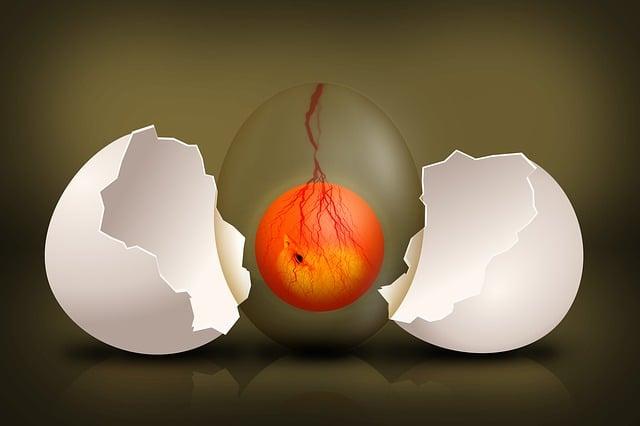
According to Lenten dietary guidelines, eggs are allowed to be consumed on certain days, such as Fridays, where meat is typically restricted. However, it is important to prepare eggs in a way that adheres to the fasting guidelines. Here are some ways to prepare eggs according to Lenten guidelines:
- Boiled Eggs: Boiling eggs is a simple and traditional way to prepare eggs during Lent. Simply place eggs in boiling water and cook until they reach your desired doneness.
- Egg Salad: Mix boiled eggs with mayo, mustard, and seasonings to create a delicious egg salad that can be enjoyed on a bed of greens or in a sandwich.
- Vegetable Frittata: Combine eggs with your favorite vegetables and bake in a dish for a savory and filling Lenten meal.
By following these guidelines and getting creative with your egg dishes, you can still enjoy this protein-rich food during Lent while honoring the fasting traditions of the season.

Balancing Protein Intake with Lenten Fasting Rules
When it comes to following Lenten fasting rules, it’s essential to find the right balance of protein intake while still adhering to dietary guidelines. One common question that arises during Lent is whether eggs can be consumed. According to traditional Lenten fasting rules, eggs are allowed on certain days, such as on Fridays. However, it’s important to note that the preparation of eggs also matters. For example, frying eggs in oil would not be permitted, but boiling or poaching eggs would be acceptable.
Another important factor to consider when balancing protein intake during Lent is incorporating plant-based protein sources into your diet. Foods like beans, lentils, nuts, and seeds are excellent sources of protein that align with Lenten fasting rules. By incorporating a variety of protein sources, you can ensure that you are meeting your nutritional needs while following the guidelines of Lenten fasting.
One way to plan your meals during Lent is by creating a balanced plate that includes a mix of protein, vegetables, and grains. This can help ensure that you are getting all the essential nutrients your body needs while following the fasting rules. Additionally, consulting with a nutritionist or dietitian can provide personalized guidance on how to maintain a healthy diet during Lent while still meeting your protein intake requirements.

Addressing Concerns About Egg Consumption During Lent
During Lent, many people choose to fast or abstain from certain foods as a form of sacrifice and spiritual discipline. One common question that arises is whether eggs can be consumed during this period. The answer ultimately depends on individual beliefs and traditions, but there are some general guidelines to consider.
**Here are some factors to consider when deciding whether to eat eggs during Lent:**
- **Church Tradition:** Some Christian denominations prohibit the consumption of meat and dairy products during Lent, while others allow eggs as a source of protein.
- **Personal Convictions:** If you feel that eating eggs goes against the spirit of fasting or if it is a food you particularly enjoy, you may choose to abstain from them during Lent.
- **Nutritional Value:** Eggs are a nutrient-dense food that provides essential vitamins and minerals. If you are concerned about meeting your nutritional needs during fasting, eggs can be a valuable addition to your diet.
| Eggs During Lent | Recommendation |
|---|---|
| Whole eggs | Allowed in moderation |
| Egg whites | Generally permitted |
| Egg-based dishes | Depends on personal beliefs |

Tips for Incorporating Eggs into Your Lenten Fast
When it comes to incorporating eggs into your Lenten fast, it’s important to understand the guidelines set forth by the Church. While some individuals may choose to abstain from all animal products, including eggs, others may allow for the consumption of eggs during certain times of the Lenten season. Here are some tips to help you navigate incorporating eggs into your fast:
- Consider consulting with your priest or spiritual advisor to determine the specific dietary guidelines for your Lenten fast.
- Opt for simple egg preparations, such as boiled, poached, or scrambled eggs, to avoid breaking the spirit of the fast with elaborate or indulgent dishes.
- Use eggs sparingly as a source of protein during Lent, focusing on incorporating more plant-based protein sources such as beans, legumes, and nuts into your diet.
Remember, the purpose of fasting during Lent is to cultivate a sense of self-discipline, reflection, and spiritual growth. By incorporating eggs mindfully and in accordance with the guidelines of your faith tradition, you can honor the spirit of the season while nourishing your body with wholesome, nourishing foods.

Final Thoughts on Following Dietary Guidelines for Lenten Fasting
When it comes to following dietary guidelines for Lenten fasting, there is often confusion around what foods are allowed and what foods are not. One common question that comes up is whether or not eggs are permissible during this time. The answer ultimately depends on the specific guidelines set by your religious tradition, as rules can vary.
For example, in the Eastern Orthodox tradition, eggs are typically considered permissible during Lent, as they are a source of protein and nutrients. However, they are often consumed in moderation and not as the main focus of a meal. On the other hand, some traditions may have stricter guidelines that prohibit the consumption of eggs altogether during the fasting period.
Ultimately, it is important to consult with your religious leader or community to understand the specific guidelines that apply to you during Lent. Additionally, incorporating a variety of plant-based protein sources such as beans, nuts, and tofu can help ensure that you are meeting your nutritional needs while observing the fasting period.
The Way Forward
In conclusion, observing Lent doesn’t necessarily mean giving up eggs completely. While traditions and guidelines can vary, many churches allow the consumption of eggs during this season of reflection and sacrifice. As always, it’s important to consult with your religious leaders or spiritual advisors to understand the specific dietary guidelines for your faith. Remember, the key is to approach fasting with a humble and respectful attitude, focusing on the spiritual aspects rather than just the dietary restrictions. So, if you’re wondering whether you can eat eggs during Lent, the answer may very well be yes. Just be sure to do so mindfully and with reverence for the traditions of this sacred time.


 FINAL WARNING: