

Age for Fasting and Abstinence During Lent: Important Considerations
As we approach the season of Lent, many Catholics begin to consider their fasting and abstinence practices. One common question that arises is at what age these practices should be followed. In this article, we will explore the important considerations around age for fasting and abstinence during Lent, providing clarity for individuals and families navigating this spiritual tradition.
Contents
- Age Appropriate Guidelines for Fasting and Abstinence During Lent
- Important Guidelines for Fasting and Abstinence During Lent
- Understanding the Church’s Recommendations for Children and Teens
- Balancing Spiritual Growth with Physical Well-being in Younger Individuals
- Importance of Parental Supervision and Support in Teaching Lenten Practices
- Health Concerns to Consider When Encouraging Fasting and Abstinence in Older Adults
- Exploring Alternative Forms of Sacrifice for Individuals with Medical Restrictions
- Finding Personalized Approaches to Observing Lenten Practices at Any Age
- Embracing the Spiritual Benefits of Fasting and Abstinence Regardless of Age
- Encouraging a Sense of Community and Support for Individuals of All Ages During Lent
- Considering Individual Circumstances to Determine Appropriate Lenten Practices
- Staying True to the Lenten Spirit While Adjusting Practices to Suit One’s Age and Health Status
- Important Considerations for Age and Health Status During Lent
- The Way Forward
Age Appropriate Guidelines for Fasting and Abstinence During Lent
Important Guidelines for Fasting and Abstinence During Lent
When it comes to observing the Lenten season, it’s important to understand the age-appropriate guidelines for fasting and abstinence. These guidelines can vary depending on a person’s age and health status, so it’s essential to be aware of the recommendations before making any decisions.
For those who are 14 years and older, abstaining from meat on Ash Wednesday and all Fridays during Lent is a common practice. Additionally, individuals between the ages of 18 and 59 are encouraged to fast on Ash Wednesday and Good Friday, which typically involves eating only one full meal and two smaller meals that do not equal a full meal.
For children under the age of 14, fasting and abstinence are not required, but parents can introduce age-appropriate activities such as giving up sweets or performing acts of kindness during the Lenten season. It is essential to remember that Lent is a time of reflection and spiritual growth, and the focus should be on deepening one’s relationship with God rather than strict adherence to rules.
Always consult with a spiritual leader or trusted advisor if you have any questions or concerns about fasting and abstinence during Lent. Remember that these guidelines are meant to enhance your Lenten experience and draw you closer to God in a meaningful way.

Understanding the Church’s Recommendations for Children and Teens
When it comes to fasting and abstinence during Lent, it is important to understand the Church’s recommendations for children and teens. The age at which children are required to fast and abstain from meat differs from the age at which adults are expected to observe these practices. It is crucial for parents and guardians to be aware of these guidelines in order to ensure that children are following the appropriate guidelines for their age group.
Children who have reached the age of 14 are required to abstain from meat on Ash Wednesday, Good Friday, and all Fridays during Lent. However, the requirement to fast on Ash Wednesday and Good Friday only applies to those who have reached the age of 18 and have not yet reached their 59th birthday. This means that children between the ages of 14 and 18 are not obligated to fast, but are still required to abstain from meat on the designated days.
It is important for parents and guardians to educate their children about the significance of fasting and abstinence during Lent, and to help them understand the spiritual benefits of these practices. Encouraging children to participate in these traditions can help them develop a deeper appreciation for their faith and strengthen their connection to the Church.

Balancing Spiritual Growth with Physical Well-being in Younger Individuals
In younger individuals, finding a balance between spiritual growth and physical well-being is crucial, especially during Lent when fasting and abstinence are common practices. It is important to consider the age at which individuals start incorporating these practices into their lives to ensure it is done in a healthy and beneficial way.
Important Considerations:
- Physiological Development: Younger individuals are still growing and developing, so it is essential to consider how fasting and abstinence may impact their physical health and well-being.
- Mental Health: It is important to be mindful of how restrictive practices may affect younger individuals’ mental health and ensure they are practicing in a way that is sustainable and promotes overall well-being.
- Educational Support: Providing younger individuals with guidance and education on fasting and abstinence during Lent can help them understand the significance behind these practices and how to incorporate them into their lives in a healthy way.
By considering these important factors, younger individuals can effectively balance their spiritual growth with their physical well-being during Lent, setting a foundation for healthy practices for years to come.

Importance of Parental Supervision and Support in Teaching Lenten Practices
When it comes to observing Lenten practices, parental supervision and support are crucial for children and teenagers. Teaching them about the age-appropriate guidelines for fasting and abstinence during Lent is essential to help them understand and participate in this sacred time of reflection and penance.
Important considerations for parents:
- Understanding the age at which children can begin fasting during Lent
- Providing guidance on the types of fasting and abstinence suitable for different age groups
- Encouraging children to participate in Lenten activities in a way that is meaningful to them
It is important for parents to lead by example and demonstrate the importance of Lenten practices through their own actions. By involving children in age-appropriate fasting and abstinence, parents can help instill a sense of discipline, self-control, and spiritual growth in their young ones.
| Age Group | Suitable Practices |
|---|---|
| Under 7 years old | Abstaining from sweets or screen time for 30 minutes a day |
| 7-14 years old | Skipping one meal a day and performing acts of kindness |
| 15 years and older | Observing traditional fasting and abstinence practices |
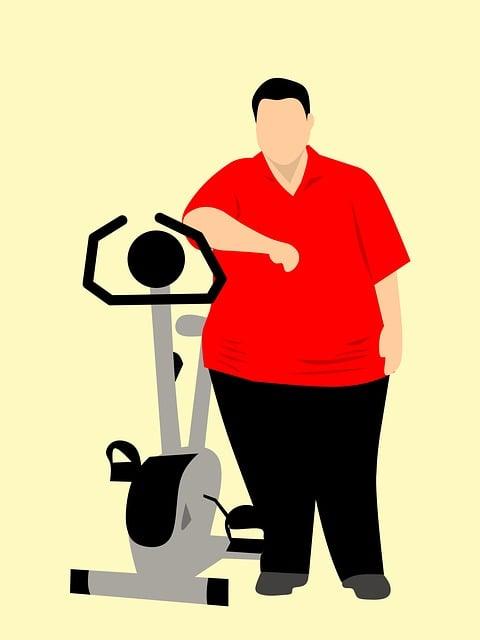
Health Concerns to Consider When Encouraging Fasting and Abstinence in Older Adults
When encouraging fasting and abstinence in older adults, it is crucial to consider their individual health concerns. While these practices can have spiritual benefits, they may not be suitable for everyone, especially those with certain medical conditions. Here are some important considerations to keep in mind:
- Diabetes: Older adults with diabetes need to carefully monitor their blood sugar levels during fasting. Missing meals or drastically changing eating patterns can affect their glucose levels and lead to complications. It is important for them to consult with their healthcare provider before participating in prolonged fasting.
- Heart conditions: Those with heart conditions may need to follow a modified fasting plan to ensure they are getting enough nutrients and hydration. They should avoid sudden changes in diet or prolonged periods without food, as this can put additional strain on their heart.
- Medication: Older adults who are taking medications should be aware of how fasting may impact the effectiveness of their treatment. Some medications need to be taken with food, so they may need to adjust their dosage schedule or consult with their healthcare provider.
Overall, it is important to prioritize the health and well-being of older adults when encouraging fasting and abstinence during Lent. By being mindful of their individual health concerns and working with them to find a tailored approach, they can still participate in these spiritual practices in a safe and healthy manner.

Exploring Alternative Forms of Sacrifice for Individuals with Medical Restrictions
One important aspect to consider when during Lent is the age at which fasting and abstinence should begin. While traditionally these practices are expected to be observed by individuals over a certain age, it’s crucial to take into account any medical conditions or limitations that may impact someone’s ability to participate fully.
It’s essential to consult with a healthcare provider or nutritionist before engaging in fasting or abstaining from certain foods during Lent, especially for those with medical restrictions. Below are some important considerations:
- Consult with a healthcare provider to determine if fasting or abstaining from specific foods is safe for your medical condition.
- Consider alternative forms of sacrifice that do not involve food, such as giving up social media or volunteering.
- Focus on spiritual practices that align with your beliefs and values, even if they do not involve traditional forms of fasting or abstinence.

Finding Personalized Approaches to Observing Lenten Practices at Any Age
When it comes to observing Lenten practices such as fasting and abstinence, age is an important factor to consider. Different age groups may have varying needs and abilities when it comes to participating in these spiritual traditions. Here are some important considerations to keep in mind:
- Children: Children should not be expected to fast or abstain from meat during Lent. Instead, parents can encourage age-appropriate acts of self-denial or sacrifice, such as giving up a favorite treat or doing extra chores around the house.
- Teens: Teenagers may be ready to start fasting or abstaining from meat, but it is important for parents to monitor their health and ensure they are not putting themselves at risk. Encourage teens to talk to a doctor or nutritionist before making any drastic changes to their diet.
- Adults: Adults are typically expected to participate in fasting and abstinence during Lent. However, individuals with health conditions or dietary restrictions should work with their healthcare provider to find alternative ways to observe these practices.
Ultimately, the goal of Lenten practices is to draw closer to God and grow in spiritual discipline. It is important to find personalized approaches that work for individuals of all ages, taking into account their unique needs and circumstances.

Embracing the Spiritual Benefits of Fasting and Abstinence Regardless of Age
When it comes to fasting and abstinence during Lent, age is often a common concern for many individuals. However, it’s important to remember that embracing the spiritual benefits of these practices can be beneficial regardless of age.
Here are some important considerations to keep in mind:
- Physical Ability: It’s crucial to consider one’s physical health and ability when deciding to fast or abstain. Consult with a healthcare provider if you have any concerns.
- Spiritual Growth: Fasting and abstinence can help individuals of all ages grow spiritually, deepen their relationship with God, and practice self-discipline.
- Support and Guidance: Seek guidance from a spiritual advisor or mentor to ensure that fasting and abstinence are practiced in a healthy and meaningful way.
Remember, age should not be a barrier when it comes to embracing the spiritual benefits of fasting and abstinence during Lent. With the right mindset, support, and guidance, individuals of all ages can partake in these practices and experience the spiritual growth that comes with them.

Encouraging a Sense of Community and Support for Individuals of All Ages During Lent
During the Lenten season, individuals of all ages are encouraged to participate in fasting and abstinence as a way to deepen their spiritual journey. It is important to consider age-appropriate guidelines when deciding how to observe these practices.
For children:
- Children under the age of 14 are not required to fast, but they can be encouraged to give up something meaningful to them during Lent, such as a favorite toy or dessert.
- It is important to teach children the importance of Lent and help them understand the significance of sacrifice and self-discipline.
For teenagers:
- Teenagers between the ages of 14 and 18 are encouraged to fast on Ash Wednesday and Good Friday, as well as abstain from meat on Fridays during Lent.
- They can also choose to give up something they enjoy for the entire duration of Lent as a form of sacrifice.
| Age Group | Fasting Guidelines | Abstinence Guidelines |
|---|---|---|
| Children under 14 | Not required to fast | Encouraged to give up something meaningful |
| Teenagers 14-18 | Fasting on Ash Wednesday and Good Friday | Abstain from meat on Fridays |
Considering Individual Circumstances to Determine Appropriate Lenten Practices
When determining appropriate Lenten practices, it is crucial to take into account individual circumstances, including age. Children are not required to fast or abstain from meat during Lent, but it is encouraged for them to participate in age-appropriate penitential practices. As children grow older, they can gradually take on more rigorous Lenten observances.
Teens and young adults should be encouraged to participate in fasting and abstinence during Lent, as it is an important aspect of spiritual growth and discipline. However, it is important to consider their individual health and dietary needs when determining the extent of their fasting and abstinence.
For older adults, especially those with health concerns or dietary restrictions, it may be necessary to modify traditional fasting and abstinence practices during Lent. Consulting with a healthcare provider or spiritual advisor can help determine appropriate Lenten practices that align with individual circumstances.
Overall, age should be taken into consideration when determining appropriate Lenten practices, as the goal is not to cause harm or distress, but rather to foster spiritual growth and reflection during this holy season.
Staying True to the Lenten Spirit While Adjusting Practices to Suit One’s Age and Health Status
Important Considerations for Age and Health Status During Lent
As we observe the Lenten season, it is essential to remember that fasting and abstinence practices can be adjusted to suit individual age and health considerations. While maintaining the Lenten spirit, it is crucial to prioritize well-being and make modifications as needed.
Age Considerations:
- Children under the age of 14 are not obligated to fast.
- Elderly individuals may be exempt from fasting if it poses a risk to their health.
- Young adults and individuals in good health should practice fasting and abstinence as traditionally prescribed.
Health Status Considerations:
- Those with medical conditions such as diabetes or pregnancy may need to adjust their fasting practices under the guidance of a healthcare provider.
- Individuals with eating disorders should seek guidance from a mental health professional for alternative Lenten practices.
- It is important to listen to your body and prioritize health above strict adherence to fasting rules.
The Way Forward
As you navigate through the Lenten season, remember that fasting and abstinence are important practices that can deepen your spiritual journey. By considering your age and health status, you can approach these disciplines in a way that is both meaningful and sustainable. Remember, the goal is not perfection, but a sincere effort to draw closer to God through sacrifice and self-discipline. May this Lenten season bring you growth, reflection, and renewed commitment to your faith. Thank you for reading and may your journey be blessed.


 FINAL WARNING: