

Lent Fasting: Balancing Body and Spirit
Lenten fasting is a practice that dates back centuries, rooted in the idea of self-discipline and spiritual growth. As we enter this season of reflection and renewal, many individuals look to balance their physical bodies with their spiritual aspirations through fasting. Let’s explore the benefits and challenges of Lent fasting, and how it can help us achieve a deeper connection between our physical and spiritual selves.
Contents
- Overview of Lent Fasting
- Benefits of Fasting during Lent
- Tips for a Successful Fasting Experience
- Science Behind Fasting and Its Effects on the Body
- Balancing Physical and Spiritual Needs during Lent
- Incorporating Prayer and Meditation into Your Fasting Routine
- Importance of Hydration and Nutrient-Rich Foods during Lent
- Setting Realistic Goals for Lenten Fasting
- Seeking Support and Accountability for Your Fasting Journey
- Understanding the Historical and Cultural Significance of Lent Fasting
- Transitioning Out of Fasting Mode Post-Lent
- Insights and Conclusions
Overview of Lent Fasting
Lent fasting is a spiritual practice that has been observed for centuries in Christian traditions. It is a time of self-reflection, spiritual growth, and honoring the sacrifice of Jesus Christ. Fasting during Lent is not only about giving up certain foods or habits but also about finding a balance between the needs of the body and the desires of the spirit.
During Lent, many Christians choose to abstain from certain foods or activities as a way of honoring Jesus’ 40 days of fasting in the desert. This period of self-denial is seen as a way to cleanse the body and soul, to focus on prayer and meditation, and to strengthen one’s relationship with God. By sacrificing indulgences during Lent, believers seek to draw closer to the teachings of Jesus and to deepen their spiritual connection.
While Lent fasting is a time of discipline and restraint, it is also a time of renewal and growth. By denying the body’s cravings, individuals can redirect their focus towards prayer, reflection, and acts of kindness. This balancing act between physical and spiritual needs serves as a reminder of the importance of self-control, humility, and compassion.
As we journey through Lent, let us embrace the practice of fasting as a way to nourish our souls, strengthen our faith, and deepen our connection with God. May this season of self-denial lead us to a greater understanding of ourselves, a stronger commitment to our spiritual values, and a profound sense of gratitude for the blessings in our lives.

Benefits of Fasting during Lent
Fasting during Lent is not just a religious tradition, but also a practice that can have numerous benefits for both the body and the spirit. Here are some of the key benefits of fasting during this sacred time:
- Physical detoxification: Fasting gives your digestive system a much-needed break, allowing it to detox and cleanse itself. This can lead to improved digestion, increased energy levels, and overall better physical health.
- Spiritual reflection: By abstaining from certain foods or activities, you can focus more on your spiritual journey and values. Fasting during Lent can be a time for deep reflection, prayer, and meditation.
| Benefit | Description |
|---|---|
| Improved discipline | By practicing self-control and discipline through fasting, you can strengthen your willpower and build mental resilience. |
| Heightened gratitude | When you fast and sacrifice certain comforts, you can develop a deeper sense of gratitude for the blessings in your life. |

Tips for a Successful Fasting Experience
When embarking on a fasting journey during Lent, it is important to ensure that your body and spirit are in harmony. Here are some tips to help you have a successful fasting experience:
- Stay hydrated: Drink plenty of water throughout the day to keep your body hydrated and your energy levels up.
- Eat mindfully: When you do eat, focus on nourishing your body with wholesome foods that will sustain you throughout the day.
- Practice self-reflection: Take time each day to reflect on your spiritual journey and connect with your inner self.
- Find support: Surround yourself with friends, family, or a community that can offer you encouragement and accountability during this challenging time.
By following these tips, you can ensure that your fasting experience is both physically and spiritually fulfilling.

Science Behind Fasting and Its Effects on the Body
When we fast during Lent, we not only engage in a spiritual practice but also provide our bodies with a chance to reset and rejuvenate. The science behind fasting shows that it can have a range of effects on the body, from improving metabolism to reducing inflammation.
One of the key benefits of fasting is autophagy, a process in which the body cleans out damaged cells and regenerates new ones. This can lead to improved cellular function and overall health. Additionally, fasting has been shown to increase insulin sensitivity, which can help with weight management and reduce the risk of diseases like diabetes.
During a fast, the body also shifts from using glucose as its primary source of energy to burning stored fat. This can lead to weight loss and improved energy levels. Fasting has also been linked to reduced levels of oxidative stress and inflammation in the body, which can help protect against chronic diseases.
Overall, fasting during Lent can be a powerful way to care for both our physical and spiritual well-being. By understanding the , we can appreciate the holistic benefits of this ancient practice.
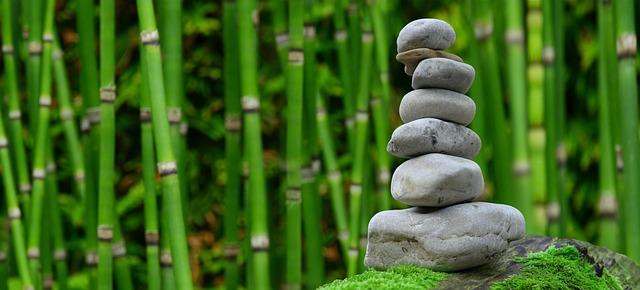
Balancing Physical and Spiritual Needs during Lent
During the season of Lent, it is essential to find a balance between our physical and spiritual needs. Fasting is a common practice during this time, but it is crucial to approach it with a holistic mindset. Here are some tips to help you navigate this delicate balance:
– **Physical nourishment**: While fasting, ensure that you are still providing your body with the nutrients it needs. Focus on consuming whole foods such as fruits, vegetables, and whole grains to support your overall health.
– **Spiritual nourishment**: Use this time to deepen your spiritual practices, such as prayer, meditation, and reflection. Connect with your faith on a deeper level to nourish your soul during this period of reflection and renewal.
– **Mindful eating**: When breaking your fast, practice mindful eating to fully appreciate and savor the food you consume. Take the time to chew slowly and be present in the moment to truly nourish both your body and spirit.
– **Seek balance**: Remember that Lent is a time of balance and moderation. Avoid extremes in your fasting practices and focus on finding a sustainable approach that nourishes both your physical and spiritual well-being.
By finding a balance between your physical and spiritual needs during Lent, you can cultivate a deeper sense of connection with yourself and your faith. Embrace this time as an opportunity for growth and renewal, both physically and spiritually.
Incorporating Prayer and Meditation into Your Fasting Routine
Fasting during Lent is not just about abstaining from certain foods; it’s also a time for spiritual reflection and growth. By , you can nourish both your body and spirit. Here are some tips to help you balance the physical and spiritual aspects of your Lenten fast:
- Start and end your fast with prayer: Begin each day of fasting with a prayer of intention, setting your goals for the day. Reflect on your day in the evening with a prayer of gratitude for the strength to carry out your fast.
- Set aside time for meditation: Find a quiet space where you can meditate on scripture or simply sit in silence and connect with your inner self. Meditation can help you stay focused and centered during your fast.
- Use meal times for prayer: Instead of eating, take the time you would normally spend on meals to pray and reflect on your spiritual journey. This can help you stay mindful of your purpose for fasting.
By combining prayer and meditation with your fasting routine, you can deepen your spiritual experience during Lent and emerge feeling more connected to yourself and to a higher power. Remember to listen to your body and spirit during this time, and trust in the process of renewal and growth that fasting can bring.
Importance of Hydration and Nutrient-Rich Foods during Lent
During Lent, it is essential to pay attention to both our physical and spiritual well-being. While fasting can help us focus on our spiritual growth, it is crucial to ensure that our bodies are adequately nourished. Proper hydration and nutrient-rich foods are key to maintaining our health during this period of abstinence.
Hydration is often overlooked during fasting, but it is vital for our overall well-being. Drinking an adequate amount of water helps regulate body temperature, aids digestion, and supports the transport of nutrients throughout the body. During Lent, be sure to drink plenty of water throughout the day to stay hydrated and energized.
When it comes to food, opt for nutrient-rich options that will help fuel your body during this period of fasting. Include plenty of fruits and vegetables in your diet to ensure you are getting a variety of vitamins and minerals. Whole grains, lean proteins, and healthy fats are also important for maintaining energy levels and overall health.
| Hydration Tips |
|---|
| Drink at least 8 glasses of water a day |
| Avoid sugary drinks and opt for water or herbal tea |
- Choose nutrient-dense foods like leafy greens, nuts, and seeds
- Avoid processed foods and opt for whole, natural ingredients
- Consider consulting with a dietitian for personalized meal planning during Lent

Setting Realistic Goals for Lenten Fasting
When it comes to fasting during Lent, it’s important to set realistic goals that honor both your body and spirit. Fasting is a spiritual practice that can help us develop self-discipline, connect with our faith, and cultivate mindfulness. However, it’s essential to approach fasting with balance and moderation.
Here are some tips for :
- Start Small: Begin by identifying one or two things you can abstain from during Lent. This could be a specific type of food, a bad habit, or a form of technology.
- Be Specific: Clearly define what you will be fasting from and how often. Setting specific parameters can help you stay accountable and track your progress.
- Listen to Your Body: Pay attention to how your body responds to fasting. If you start feeling unwell or overly fatigued, it’s important to reevaluate your fasting practices.
- Stay Flexible: It’s okay to adjust your fasting goals as needed. The ultimate goal is not perfection but rather progress and spiritual growth.
| Goal | Progress |
|---|---|
| Give up social media | Successfully avoided social media for 5 days a week |
| Avoid sweets | No sugary treats for the past 3 weeks |

Seeking Support and Accountability for Your Fasting Journey
Embarking on a Lent fasting journey can be a challenging yet rewarding experience. As you strive to balance your body and spirit, seeking support and accountability can make all the difference in staying committed to your fasting goals.
By connecting with like-minded individuals who are also on their fasting journey, you can share experiences, tips, and encouragement. This sense of community can provide a source of inspiration and motivation when the going gets tough.
Accountability partners can help keep you accountable to your fasting plan and goals. Having someone to check in with regularly can help you stay focused and on track, even when temptation looms large.
Remember, fasting is a personal journey, but that doesn’t mean you have to go it alone. Seek out the support and accountability you need to help make your Lent fasting experience a successful and fulfilling one.

Understanding the Historical and Cultural Significance of Lent Fasting
Lent fasting has a deep-rooted historical and cultural significance that spans across various religions and traditions. It is a period of self-reflection and spiritual growth that involves abstaining from certain foods or activities for a specific duration of time. This practice is observed by Christians around the world leading up to Easter. Here are some key points to help understand the historical and cultural significance of Lent fasting:
- Rooted in Ancient Traditions: The concept of fasting during the Lenten season dates back to the early days of Christianity, where believers would fast and pray in preparation for Easter.
- Spiritual Purification: Lent fasting is not just about giving up certain foods, but also about purifying the spirit and drawing closer to God through prayer and meditation.
- Symbolism of Sacrifice: By sacrificing certain pleasures during Lent, believers are reminded of the ultimate sacrifice made by Jesus Christ on the cross.
Overall, Lent fasting serves as a way to balance the needs of the body and spirit, while also fostering a deeper connection to one’s faith and community. It is a time of introspection and renewal, allowing individuals to reflect on their relationship with God and their place in the world.

Transitioning Out of Fasting Mode Post-Lent
Now that Lent has come to an end, many people may find themselves in a period of transition as they move out of fasting mode and back into their regular eating habits. It’s important to approach this transition mindfully, balancing the needs of the body and the spirit.
Listen to Your Body: Pay attention to how your body is feeling as you reintroduce foods that you may have given up during Lent. Take the time to notice any changes in energy levels, digestion, or overall well-being. It’s okay to take things slow and reintroduce foods gradually to give your body time to adjust.
Nourish Your Spirit: While Lent may be over, the spiritual practices you engaged in during this time can still be beneficial as you transition out of fasting mode. Continue to practice mindfulness, prayer, or reflection to keep the spiritual connection strong.
| Food Group | Suggested Foods |
| Protein | Lean meats, tofu, beans |
| Vegetables | Leafy greens, colorful veggies |
| Grains | Whole grains like quinoa, brown rice |
By approaching this transition with mindfulness and balance, you can maintain the benefits of your Lenten fasting experience while also nourishing both your body and spirit.
Insights and Conclusions
As we journey through the season of Lent, may we all strive to find balance between our physical and spiritual needs through fasting. By listening to our bodies and nourishing our spirits, we can cultivate a deeper connection with ourselves and with the divine. Remember, it’s not just about what we give up, but also about what we gain in return. So let us embrace this time of reflection and renewal with open hearts and minds. Wishing you a fruitful and fulfilling Lenten season.


 WAIT! YOUR DIVINE CONNECTION IS BLOCKED