

Can You Break a Lenten Fast on Sunday? Understanding Religious Permissions
Lenten fasting is a longstanding tradition for many Christians around the world, but the rules surrounding breaks in this practice on Sundays can be a point of confusion. In this article, we will explore the question: Can you break a Lenten fast on Sunday? By delving into religious permissions and understanding the rationale behind this age-old practice, we hope to shed light on this often debated topic. Let’s dive in and explore the nuances of this important religious observance.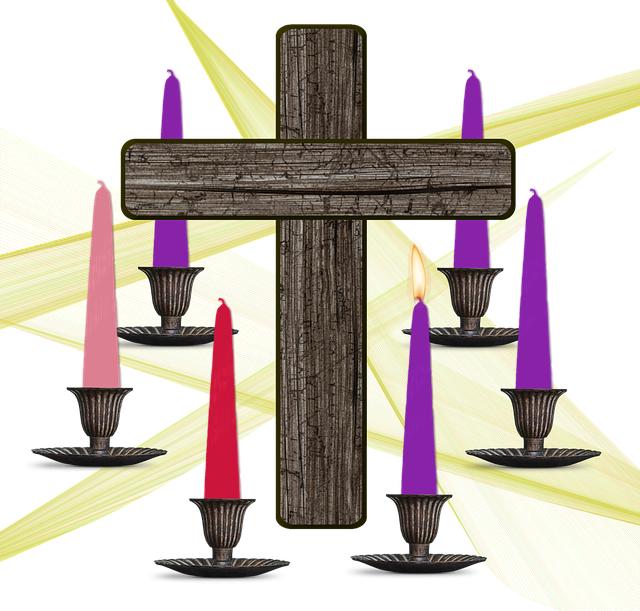
Contents
- Can You Break a Lenten Fast on Sunday?
- The Importance of Lenten Fasting in Religious Practices
- Understanding the Tradition of Fasting During Lent
- Exploring Different Perspectives on Lenten Fasting Rules
- Examining the Role of Sundays in Lenten Observance
- Clarifying Religious Permissions for Breaking a Lenten Fast on Sundays
- Tips for Balancing Lenten Fasting Guidelines with Religious Traditions
- Interpreting the Rules of Lenten Fasting in Different Religious Communities
- Understanding the Spiritual Significance of Lenten Fasting Practices
- Practical Recommendations for Observing Lenten Fasting Traditions on Sundays
- Insights and Conclusions
Can You Break a Lenten Fast on Sunday?
During the Lenten season, many Christians observe a period of fasting and abstinence as a form of spiritual discipline and preparation for Easter. This tradition typically involves giving up certain foods or practices for the 40 days leading up to Easter Sunday. However, there is often confusion surrounding whether or not the Lenten fast should be observed on Sundays.
According to religious teachings, Sundays are considered to be feast days rather than fasting days. This means that it is generally permissible to break the Lenten fast on Sundays and partake in the celebration of the Lord’s Day. In fact, many Christians choose to relax their Lenten restrictions on Sundays and enjoy a more indulgent meal or activity.
Ultimately, whether or not you choose to break your Lenten fast on Sundays is a personal decision that may vary depending on your religious beliefs and practices. It is important to consult with your spiritual advisor or religious leader if you have any questions or concerns about observing the Lenten fast.
The Importance of Lenten Fasting in Religious Practices
During the Lenten season, many Christians observe fasting as a way to reflect on Jesus Christ’s sacrifice and practice self-discipline. Fasting is a common religious practice that involves abstaining from certain foods or activities for a specific period. Lenten fasting, in particular, is a time when believers give up certain luxuries or indulgences as a form of spiritual discipline.
One common question that arises during Lent is whether it’s permissible to break a fast on Sundays. While Sundays are traditionally seen as days of celebration and feasting in the Christian faith, the rules around Lenten fasting can vary depending on the individual’s religious beliefs and practices. Some denominations allow for a break in the fast on Sundays, while others require strict adherence throughout the entire Lenten period.
It’s essential to consult with your religious leader or spiritual advisor to understand the specific guidelines around Lenten fasting within your faith tradition. By seeking guidance from those knowledgeable in your religious practices, you can gain a deeper understanding of the significance of fasting during Lent and how best to observe this sacred time.

Understanding the Tradition of Fasting During Lent
During the season of Lent, fasting is a common practice observed by many Christians as a way to reflect on Jesus’ sacrifice and prepare for Easter. While Sundays are traditionally viewed as days of celebration and not included in the 40 days of fasting, opinions on breaking a Lenten fast on Sundays vary among different denominations. Here are some key points to consider regarding breaking a Lenten fast on Sundays:
– **Historical Perspective**: Historically, Sundays were not included in the Lenten fast as they were seen as a day to commemorate the resurrection of Jesus Christ. This tradition dates back to the early days of Christianity when Sundays were considered a mini-Easter celebration.
– **Denominational Differences**: Different denominations may have varying views on breaking a Lenten fast on Sundays. For example, some churches allow for a break from fasting on Sundays while others maintain the fast throughout the entire Lenten period.
– **Personal Reflection**: Ultimately, the decision to break a Lenten fast on Sundays is a personal one that should be made in prayerful consideration. It’s important to reflect on the purpose of fasting during Lent and how breaking the fast may impact your spiritual journey.
In conclusion, while there may be differing opinions on breaking a Lenten fast on Sundays, it’s essential to approach this practice with a spirit of reverence and mindfulness. Whether you choose to continue fasting on Sundays or take a break, the most important thing is to use this season as an opportunity for spiritual growth and reflection.
Exploring Different Perspectives on Lenten Fasting Rules
When it comes to observing Lenten fasting rules, there is often confusion surrounding whether or not it is permissible to break the fast on Sundays. Different religious traditions have varying perspectives on this matter, leading to diverse interpretations and practices.
For some Christians, Sundays are seen as a day of celebration and joy, marking the resurrection of Jesus Christ. As such, there is a belief that fasting should be put on hold on Sundays to honor this special day. This is supported by the tradition of the Eastern Orthodox Church, which allows for the consumption of fish and wine on Sundays during Lent.
On the other hand, some Christian denominations adhere strictly to the Lenten fasting rules throughout the entire season, including Sundays. This practice is upheld by the Roman Catholic Church, which views Sundays as part of the Lenten journey and encourages continued fasting and abstinence on these days.
Ultimately, the decision to break a Lenten fast on Sunday depends on individual beliefs, religious traditions, and personal interpretations of the significance of the Lenten season. It is important to respect and understand the diverse perspectives surrounding this topic within the Christian community.

Examining the Role of Sundays in Lenten Observance
In the Christian tradition, Lent is a solemn religious observance that lasts for forty days, leading up to Easter Sunday. During this period, believers often engage in acts of penance, fasting, and reflection to prepare for the celebration of the resurrection of Jesus Christ. Sundays, however, are considered a special exception during Lent. Here’s a closer look at the role of Sundays in Lenten observance and whether breaking a Lenten fast is permissible on these days.
🕊️ **The Role of Sundays in Lent** 🙏
Sundays are traditionally viewed as a celebration of the resurrection of Christ, rather than a day of fasting and penance. As such, Sundays are not included in the forty days of Lent. This means that believers are permitted to break their Lenten fast on Sundays and partake in whatever food or activities they have given up for the season.
⛪ **Understanding Religious Permissions** 📿
While Lenten observance typically involves abstaining from certain foods or activities as a form of sacrifice, it is important to remember that the ultimate goal is spiritual growth and reflection. If breaking a Lenten fast on a Sunday helps one to better connect with their faith and community, it is generally seen as acceptable.
🌿 **Finding Balance in Lenten Practices** 🌸
Ultimately, each individual must navigate their Lenten observance in a way that resonates with their personal beliefs and spiritual journey. Whether one chooses to fast strictly throughout the entire season or allows for exceptions on Sundays, the key is to approach Lent with a heart open to growth, reflection, and renewal.
| Food Item | Acceptable Break on Sundays? |
| ———- | ————————— |
| Chocolate | ✔️ |
| Meat | ✔️ |
| Alcohol | ✔️ |
As we delve deeper into the significance of Sundays in Lenten observance, it is important to recognize the unique ways in which individuals may interpret and practice their faith during this sacred season. By understanding the religious permissions surrounding Sundays in Lent, believers can find a balance that honors both tradition and personal spiritual growth.
Clarifying Religious Permissions for Breaking a Lenten Fast on Sundays
During the season of Lent, many Christians choose to fast or abstain from certain foods as a form of penance and spiritual discipline. One common question that arises is whether it is permissible to break the Lenten fast on Sundays. Here’s a clarification of religious permissions regarding this practice:
1. **Traditional Understanding:** In many Christian denominations, Sundays are considered to be feast days, celebrating the resurrection of Jesus Christ. As such, the strict rules of fasting during Lent are often relaxed on Sundays to allow for a more joyful and celebratory observance of the day.
2. **Historical Context:** The practice of breaking the Lenten fast on Sundays dates back to the early days of the Church. Sunday, being the Lord’s Day, was seen as a time to commemorate the resurrection and participate in the Eucharist, which is central to the Christian faith.
3. **Personal Discernment:** While there may be general permissions to break the Lenten fast on Sundays, individual believers are encouraged to prayerfully discern what is appropriate for their own spiritual journey. Some may choose to continue their fast as a way of offering extra sacrifice, while others may partake in the freedom to enjoy a more abundant meal.
Tips for Balancing Lenten Fasting Guidelines with Religious Traditions
When it comes to balancing Lenten fasting guidelines with religious traditions, there are a few important factors to consider. One common question that often arises is whether it is permissible to break a Lenten fast on Sundays. Understanding religious permissions in this regard can help clarify any confusion.
According to traditional Catholic teachings, Sundays are considered “mini-Easters” and are therefore exempt from the strict fasting rules of Lent. This means that you are allowed to break your fast on Sundays and partake in celebratory feasting. However, it is important to remember that this does not mean you should indulge excessively or abandon the spirit of self-discipline that Lent encourages.
For those following other Christian denominations, it is worth consulting with your religious leaders or community guidelines to understand the specific fasting rules and permissions during Lent. Each tradition may have its own interpretations and practices when it comes to fasting, so it is always best to seek clarity from those who are well-versed in your particular faith.
Ultimately, the key to balancing Lenten fasting guidelines with religious traditions lies in finding a harmonious approach that honors the spirit of the season while also respecting the teachings and customs of your faith community. By staying informed and seeking guidance when needed, you can navigate the complexities of fasting during Lent with grace and mindfulness.

Interpreting the Rules of Lenten Fasting in Different Religious Communities
In the Christian tradition, Lent is a season of fasting and penance leading up to Easter. Different religious communities have varying rules and interpretations when it comes to fasting during Lent. One common question that arises is whether it is permissible to break a Lenten fast on Sundays.
**Roman Catholic Church:**
In the Roman Catholic Church, Sundays during Lent are considered feast days rather than fasting days. This means that Catholics are permitted to break their Lenten fast on Sundays and partake in the usual celebratory meals. However, it is important to note that the spirit of Lent still calls for some form of sacrifice or abstention even on Sundays.
**Eastern Orthodox Church:**
In the Eastern Orthodox Church, Sundays are also exempt from the strict Lenten fasting rules. Orthodox Christians are allowed to consume fish, wine, and oil on Sundays during Lent as a way to honor the resurrection of Christ. However, meat is still typically avoided on Sundays as a sign of continued penance.
**Protestant Christian Denominations:**
Protestant Christian denominations may have varying interpretations of Lenten fasting rules. Some may follow similar guidelines as the Catholic or Orthodox tradition, while others may have more lenient fasting rules during Lent. It is recommended to consult the specific guidelines of each denomination to understand their stance on breaking a Lenten fast on Sundays.
In conclusion, understanding the rules of Lenten fasting in different religious communities can help individuals navigate the season with respect to their faith traditions. While Sundays are generally considered days of exemption from strict fasting rules, the overall spirit of sacrifice and penance should still be upheld throughout the Lenten season.
Understanding the Spiritual Significance of Lenten Fasting Practices
In the Christian tradition, Lent is a time of reflection, repentance, and preparation for Easter. Many Christians choose to participate in fasting during Lent as a way to spiritually cleanse and refocus. Fasting during Lent is seen as a way to mimic the 40 days Jesus spent fasting in the desert and to grow closer to God through sacrifice and self-discipline.
One common question that arises during Lent is whether it’s acceptable to break a fast on Sundays. In traditional Lenten fasting practices, Sundays are considered feast days rather than fasting days. This means that believers are permitted to break their fast on Sundays and enjoy regular meals. Sundays are seen as a celebration of the resurrection of Jesus, so fasting is often set aside on these days.
It’s important to remember that Lenten fasting practices can vary among different Christian denominations and individuals. Some may choose to fast strictly throughout the entire Lenten season, while others may modify their fasting practices to suit their own personal health or spiritual needs. Ultimately, the decision to break a Lenten fast on Sundays is a personal one and should be made prayerfully and thoughtfully.
Practical Recommendations for Observing Lenten Fasting Traditions on Sundays
During the season of Lent, many Christians choose to observe fasting traditions as a way to reflect on their faith and spiritual journey. However, when it comes to fasting on Sundays, there is some debate among different denominations and individuals. While Sundays are traditionally seen as a day of celebration and joy in the Christian calendar, some people wonder if it is appropriate to break their Lenten fast on this day.
It’s important to note that the rules for fasting during Lent, particularly on Sundays, can vary depending on your religious tradition. Here are some practical recommendations to help you navigate this question:
- Consult your religious leader or spiritual advisor for guidance on how to approach fasting on Sundays during Lent.
- Some denominations allow for a relaxation of fasting rules on Sundays, considering it a day of celebration of Christ’s resurrection.
- Consider modifying your fasting practices on Sundays, such as abstaining from certain foods rather than a full fast, to honor both the spirit of Lent and the joy of the Sabbath.
- Remember that the ultimate goal of fasting during Lent is to draw closer to God and deepen your spiritual connection, so it’s essential to approach this practice with prayer and reflection.
Insights and Conclusions
In conclusion, while the rules around breaking a Lenten fast on Sunday may vary between different religious traditions, it’s important to understand and respect the guidelines set forth by your own community. And remember, regardless of the specifics, the spirit of Lent is about self-discipline, reflection, and spiritual growth. So whether you choose to observe the fast strictly or make exceptions on Sundays, the most important thing is to engage with the season meaningfully and with reverence.
Get our latest guides, news, and insights highlighted in your Google Search & AI Overviews.


 YOUR WEALTH MANIFESTATION BEGINS IN 3...2...1...