

In Times of Need: Can You Miss Prayer for Surgery?
Facing surgery can be a daunting experience, testing our faith and resilience in times of need. But what happens when the call to prayer conflicts with your scheduled operation? Can you miss prayer for surgery? In this article, we delve into this important question and provide insights to help you navigate this delicate balance.
Contents
- Why is Prayer Important Before Surgery?
- Respecting Religious Beliefs in Healthcare Settings
- Consulting with Religious Leaders for Guidance
- Balancing Spiritual and Medical Needs
- Considerations for Missing Prayer Due to Surgery
- Seeking Comfort and Strength through Prayer
- Practical Tips for Incorporating Prayer into Surgical Procedures
- Understanding the Role of Prayer in Healing Processes
- Benefits of Prayer Before, During, and After Surgery
- Connecting with Higher Powers for Support and Guidance
- Navigating the Dilemma of Missing Prayer for Medical Reasons
- Key Takeaways
Why is Prayer Important Before Surgery?
Prayer before surgery is important for several reasons. It can provide comfort and strength to the patient, their loved ones, and the medical team involved in the procedure. The act of prayer can help reduce anxiety and fear, promoting a sense of peace and well-being before going into surgery.
Additionally, praying before surgery allows individuals to connect with their faith and spirituality, seeking guidance, protection, and healing from a higher power. This can instill a sense of hope and positivity, which is crucial for a successful outcome.
In times of need, such as before surgery, missing prayer can have a psychological impact on individuals. It may lead to increased stress and worry, affecting the overall mindset and emotional well-being before entering the operating room. Therefore, taking the time to pray before surgery can be a powerful tool in promoting a sense of calm and resilience during a challenging time.
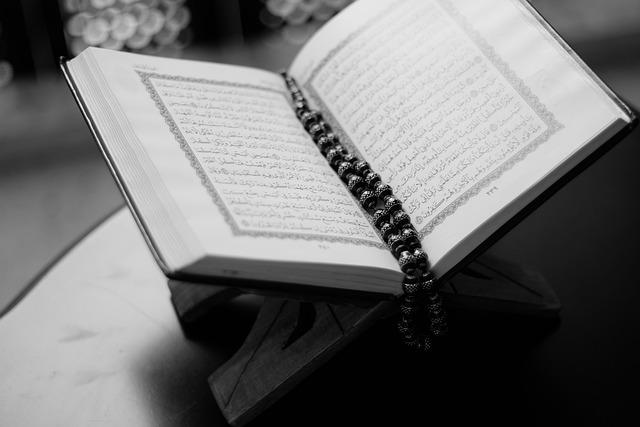
Respecting Religious Beliefs in Healthcare Settings
It is common for individuals to have concerns about how their religious beliefs may affect their healthcare decisions, especially when it comes to important procedures such as surgery. Many religions have specific practices and rituals that are considered essential to uphold, even in times of need like before surgery. One such concern that often arises is whether it is permissible to miss prayer for surgery.
For many devout individuals, prayer is an integral part of their daily routine and a way to seek guidance and comfort from a higher power. However, when faced with the necessity of surgery, some may wonder if it is acceptable to skip prayer in order to undergo the procedure. In Islam, for example, prayer is a fundamental aspect of faith, with five daily prayers being mandatory for all practicing Muslims. Missing these prayers can cause distress for individuals who place a high value on their religious obligations.
While religious beliefs should be respected in healthcare settings, it is crucial for individuals to also prioritize their health and well-being. In situations where missing prayer for surgery is unavoidable, it is important for patients to consult with their religious leaders or scholars to seek guidance on how to navigate these difficult decisions. Ultimately, the goal is to find a balance between upholding religious beliefs and ensuring that necessary medical care is received.

Consulting with Religious Leaders for Guidance
When facing a surgery, many individuals may wonder whether it is acceptable to miss their regular prayers for the procedure. Seeking guidance from religious leaders can provide clarity and comfort during such uncertain times.
Consulting with a trusted religious leader can offer insights into the religious teachings regarding prayer and medical procedures. They can help navigate any religious obligations and provide guidance on how to approach the situation with faith and devotion.
Some key points to consider when on missing prayer for surgery include:
- The importance of prayer in Islam and the allowances for missing prayers in certain circumstances.
- The significance of seeking forgiveness and guidance from God during challenging times.
| Religious Guidance | Key Takeaway |
|---|---|
| Islam | Missing prayers for surgery is permitted if necessary, with the intention of making them up later. |
| Christianity | Prayers for healing and strength are encouraged, along with seeking guidance from religious leaders. |
| Judaism | Prayers for healing and recovery are important, with allowances for adjusting prayer times during medical procedures. |

Balancing Spiritual and Medical Needs
When facing a surgery, it’s normal to feel torn between fulfilling your spiritual needs and following medical recommendations. One common question that arises is whether it’s permissible to miss prayer for surgery. Here, we explore this dilemma and provide some insights to help you navigate through this challenging time.
It’s important to remember that the Islamic faith places a high value on prayer and its timely observance. However, Islam also emphasizes the preservation of life and health. In situations where medical intervention is necessary, it is permissible to postpone prayer if it conflicts with surgery times. Allah is understanding of your circumstances and intentions.
Here are some tips to help you balance your spiritual and medical needs during this time:
- Consult with your religious leader: Seek guidance from a knowledgeable Imam or scholar to understand the implications of missing prayer for surgery in your specific situation.
- Make sincere intentions: Before the surgery, make sincere du’a and intentions to fulfill your prayers at the earliest opportunity once you are able to do so.
- Recite Quran and make dhikr: Use this time to engage in other forms of worship and remembrance of Allah to stay connected spiritually.

Considerations for Missing Prayer Due to Surgery
When faced with the prospect of surgery, many Muslims may wonder about the implications for their daily prayers. It is important to remember that Islam is a religion that values flexibility and understanding in times of need. Here are some considerations to keep in mind if you find yourself in a situation where you may need to miss a prayer due to surgery:
– **Consult with a knowledgeable religious scholar**: If you are unsure about whether you can delay or combine your prayers due to surgery, it is recommended to seek guidance from a religious scholar who can provide you with specific advice based on your situation.
– **Prioritize your health**: Islam places a high importance on maintaining one’s health, so if performing a prayer may interfere with your recovery or put your health at risk, it is permissible to delay your prayer until you are in a better condition to perform it.
– **Make up missed prayers**: If you are unable to perform a prayer due to surgery, you can make up for it once you are able to do so. Allah is merciful and understanding of your circumstances, so do not worry if you have to miss a prayer for a valid reason.
In conclusion, while it is important to strive to maintain your daily prayers as much as possible, Islam also acknowledges the importance of prioritizing your health and well-being in times of need. Trust in Allah’s wisdom and seek guidance from knowledgeable sources to ensure that you are making decisions that align with your faith.
Seeking Comfort and Strength through Prayer
When facing the prospect of surgery, many people turn to prayer for comfort and strength. Prayer can be a powerful source of hope and solace during challenging times. It provides a sense of connection to something greater than ourselves, offering reassurance and support when we need it most.
While it is understandable to feel anxious or fearful before a surgical procedure, missing prayer during this time may not be the best course of action. Prayer can help calm our minds, ease our worries, and send positive energy to those in need. It can also provide a sense of peace and resilience, allowing us to face the challenges ahead with courage and grace.
In times of need, it is important to lean on our faith and trust in the power of prayer. Whether you are seeking comfort, strength, or healing, taking the time to pray can help you navigate difficult circumstances with grace and resilience. So, can you miss prayer for surgery? The answer is ultimately up to you, but considering the benefits it can provide, it may be worth incorporating prayer into your pre-surgery routine.

Practical Tips for Incorporating Prayer into Surgical Procedures
Prayer can be a source of comfort and strength for many individuals facing surgical procedures. Incorporating prayer into the pre-surgery routine can help calm nerves and provide a sense of peace during a potentially stressful time. Here are some :
– **Set aside dedicated prayer time**: Find a quiet space before the surgery to center yourself and connect with a higher power through prayer. This can help ease anxiety and provide a sense of control over the situation.
– **Ask for prayers from loved ones**: Reach out to friends, family, and members of your faith community to pray for you during the surgery. Knowing that others are sending positive thoughts and energy your way can be incredibly comforting.
– **Use prayer as a form of meditation**: Focus on your breath and connect with a sense of gratitude and hope through prayer. This can help reduce stress levels and promote a sense of well-being before going into surgery.
Incorporating prayer into your pre-surgery routine can help you feel more grounded and supported during a vulnerable time. Whether you believe in a higher power or simply find solace in the act of prayer, taking a moment to connect with something greater than yourself can be a powerful tool in times of need.
Understanding the Role of Prayer in Healing Processes
In times of facing surgery, many people turn to prayer as a source of comfort and hope. The role of prayer in the healing process is a deeply personal and spiritual one, with believers trusting in the power of divine intervention to guide them through difficult times.
One common question that arises is whether it is acceptable to miss prayer for surgery. While there is no one-size-fits-all answer, it is important to consider the significance of prayer in your own beliefs and the role it plays in your healing process. Some may find solace in dedicating time to prayer before a surgery, while others may feel that their faith and trust in their medical team suffice.
Regardless of your personal beliefs, it is crucial to communicate with your healthcare providers about any religious or spiritual practices that are important to you. They can help ensure that you have the support you need during your healing journey, whether it includes prayer or not.
Ultimately, the decision to pray before surgery is a personal one that should be guided by your own faith and values. Whether you choose to engage in prayer or not, know that you are not alone in your journey towards healing, and that there are resources available to support you every step of the way.
Benefits of Prayer Before, During, and After Surgery
Prayer can be a powerful source of comfort and strength in times of need, especially before, during, and after surgery. Many people find solace in prayer as it helps them feel connected to a higher power and provides a sense of peace and calmness. Here are some benefits of incorporating prayer into your surgical journey:
**Before Surgery:**
– Helps reduce anxiety and fear
– Provides a sense of hope and positivity
– Allows for a moment of reflection and centering
**During Surgery:**
– Offers a sense of protection and guidance
– Provides comfort and reassurance to loved ones waiting
– Helps the patient feel supported and surrounded by love
**After Surgery:**
– Speeds up the recovery process
– Promotes healing and overall well-being
– Allows for gratitude and reflection on the experience
Incorporating prayer into your surgical journey can have a profound impact on your mental, emotional, and physical well-being. Whether through traditional prayers, meditation, or positive affirmations, taking a moment to connect with your faith can make a difference in how you navigate the challenges of surgery. Trust in the power of prayer and lean on it for strength in times of need.
Connecting with Higher Powers for Support and Guidance
Prayer can be a powerful source of comfort and support in times of need, especially when facing something as daunting as surgery. Many people believe that connecting with higher powers through prayer can help ease anxiety, provide strength, and bring a sense of peace during the unknown.
It is understandable to feel apprehensive about missing prayer before surgery, as it can serve as a source of grounding and assurance. Taking a moment to center yourself, reflect on your faith, and seek guidance from a higher power can help you feel more prepared and supported before undergoing a medical procedure.
While prayer can be a personal and intimate practice, it is important to remember that there is no right or wrong way to connect with higher powers. Whether you choose to recite traditional prayers, meditate in silence, or simply offer your thoughts and intentions to the universe, the act of reaching out for support and guidance can be a meaningful and empowering experience.
Ultimately, the decision to pray before surgery is a personal one, and it is important to listen to your own intuition and beliefs. Trust that whatever path you choose to take, connecting with higher powers can provide comfort, strength, and a sense of peace as you navigate through challenging times.
When faced with the decision to undergo surgery, it’s natural to feel anxious about how it may impact your daily routine, including your prayer schedule. As a devout follower, missing prayers can bring about feelings of guilt and concern. However, Islam provides guidelines for situations where missing prayers may be unavoidable due to medical reasons.
According to Islamic teachings, there are allowances for missing prayers in cases where one is physically unable to perform them. This includes situations where a person is undergoing surgery or any medical procedure that prevents them from observing their prayers in the usual manner. In such cases, the individual is excused from performing the prayer until they are physically able to do so.
It’s important to consult with a religious scholar or Imam to seek guidance on your specific situation and to ensure that you are following the correct rulings. Remember, Allah is compassionate and understanding, and He knows the intentions of our hearts. Trust in His wisdom and mercy as you navigate the dilemma of missing prayer for medical reasons.
Key Takeaways
In conclusion, while missing prayer for surgery is not encouraged in Islamic teachings, it is important to prioritize one’s health and well-being. In times of need, it is permissible to make up missed prayers at a later time or seek forgiveness from Allah for any shortcomings. Remember, Allah is understanding and compassionate towards His servants. Ultimately, the intention and sincerity behind our actions are what truly matter. So, make sure to keep a strong connection with your faith and trust in Allah’s wisdom during challenging times.
Get our latest guides, news, and insights highlighted in your Google Search & AI Overviews.


 YOUR WEALTH MANIFESTATION BEGINS IN 3...2...1...