

Religions that Fast for Lent: Exploring Diversity
Lent, a period of fasting and reflection observed by various Christian denominations, is a time of spiritual renewal and growth. During this 40-day season, believers practice self-discipline and prayer as they prepare for Easter. While fasting is a common practice among Christian traditions, it may come as a surprise that fasting is also observed in many other religions around the world. In this article, we will explore the diversity of religious practices that incorporate fasting as a way to deepen their connection to the divine.
Contents
- Different religious traditions observing Lent
- Fasting practices across various religions
- Historical origins of Lenten fasting
- Common themes in fasting traditions during Lent
- Diverse approaches to fasting for spiritual growth
- Significance of dietary restrictions during Lent
- Exploring the cultural significance of Lenten fasting
- Nutritional considerations during periods of fasting
- Modern interpretations of fasting within religious communities
- Balancing spiritual and physical well-being during Lent
- Recommendations for a respectful and inclusive approach to Lenten fasting practices
- In Conclusion
Different religious traditions observing Lent
During the season of Lent, many different religious traditions around the world observe fasting as a form of spiritual discipline and preparation for Easter. While Lent is commonly associated with the Christian tradition, several other religions also practice fasting during this period.
Here are some religions that fast for Lent:
- Christianity: In the Christian tradition, Lent is a 40-day period of fasting and prayer leading up to Easter. Many Christians give up certain foods or habits as a way to remember Jesus’ sacrifice and reflect on their own spiritual lives.
- Orthodox Christianity: Orthodox Christians also observe Lent, known as Great Lent, which lasts for 40 days as well. Fasting rules in the Orthodox tradition may be stricter, with no consumption of meat, dairy, fish, and olive oil on certain days.
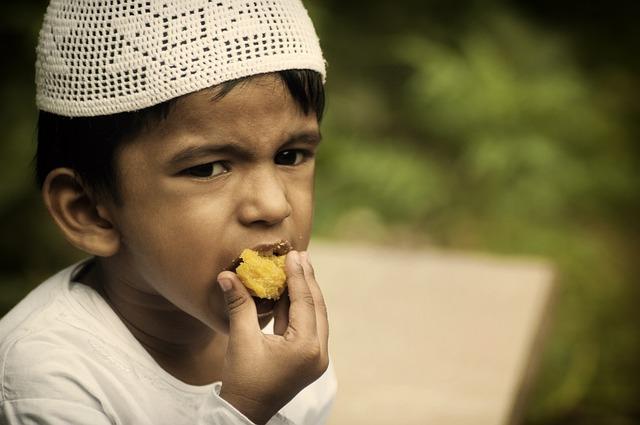
- Islam: Muslims observe fasting during the month of Ramadan, which is regarded as one of the Five Pillars of Islam. During Ramadan, Muslims fast from dawn to sunset, abstaining from food, drink, smoking, and sinful behavior.
- Judaism: The Jewish holiday of Yom Kippur, also known as the Day of Atonement, includes a 25-hour fast as part of repentance and reflection. Fasting is seen as a way to focus on spiritual matters and seek forgiveness.
Fasting practices across various religions
Many religions around the world have practices of fasting, with each tradition having its unique customs and beliefs associated with the practice. While fasting is commonly known as abstaining from food and drink for a period of time, the reasons and methods vary greatly among different faiths.
In Christianity, Lent is a period of fasting leading up to Easter, where believers often give up certain foods or habits as a form of penance and reflection. This practice is observed by Catholics, Protestants, Eastern Orthodox Christians, and more, with variations in the duration and strictness of the fast.
In Islam, the holy month of Ramadan involves fasting from dawn until sunset, refraining from food, drink, smoking, and other physical needs. This fast is considered one of the Five Pillars of Islam and is meant to purify the soul and strengthen one’s connection to God.
In Judaism, Yom Kippur, or the Day of Atonement, is a time when observers fast for 25 hours as a way of repenting for sins and seeking forgiveness. This fast is seen as a way to cleanse the body and soul and is one of the most important holidays in the Jewish calendar.

Historical origins of Lenten fasting
Many people are familiar with the concept of Lenten fasting within the Christian tradition, but what many may not realize is that fasting is a practice observed by various religions around the world. The can be traced back to ancient times, with different religious beliefs and customs influencing the practice.
Some religions that fast for Lent include:
- Catholicism: The Catholic Church is known for its observance of Lent, a period of 40 days leading up to Easter, during which believers abstain from certain foods and practices as a form of penance and spiritual discipline.
- Orthodox Christianity: In the Eastern Orthodox tradition, Lent is also observed, with believers fasting from meat, dairy, and other foods during this time to focus on prayer, repentance, and self-discipline.
- Islam: Muslims observe a month-long fast called Ramadan, during which they refrain from eating and drinking from sunrise to sunset as a way to purify the soul and strengthen their relationship with Allah.
These diverse religious practices show that fasting is a common thread that connects different cultures and traditions, highlighting the universal human experience of seeking spiritual growth and self-improvement through self-denial and sacrifice.

Common themes in fasting traditions during Lent
During the Lenten season, fasting is a common practice across many religious traditions. While the specifics of how fasting is observed may vary, there are some common themes that unite these diverse practices:
- Sacrifice: Fasting is often seen as a way to make a sacrifice in honor of a religious observance. By refraining from certain foods or behaviors, individuals demonstrate their dedication and devotion.
- Spiritual cleansing: Many traditions view fasting as a way to purify the body and soul, allowing for a deeper connection with the divine. By abstaining from physical comforts, practitioners seek spiritual renewal and growth.
- Self-discipline: Fasting requires a great deal of self-control and discipline. By mastering their desires and impulses, individuals can strengthen their willpower and cultivate virtues like patience and humility.
| Religion | Fasting Practice |
|---|---|
| Christianity | Abstain from meat on Fridays, limited consumption on Ash Wednesday and Good Friday |
| Islam | Observe daily fast from dawn to sunset during Ramadan |
| Judaism | Fast on Yom Kippur, abstain from certain foods on Passover |

Diverse approaches to fasting for spiritual growth
Christianity:
In the Christian faith, Lent is a period of fasting, prayer, and reflection leading up to Easter. During this time, many followers abstain from certain foods or activities as a way to cleanse their bodies and minds. Catholics often give up meat on Fridays, while some Protestant denominations may choose to fast in other ways.
Examples of fasting practices during Lent in Christianity:
- Abstaining from meat on Fridays
- Giving up a favorite food or drink for the entire season of Lent
- Fasting from social media or technology for a designated period of time
Islam:
In Islam, fasting during the month of Ramadan is one of the Five Pillars of the faith. Muslims fast from dawn until sunset each day during this holy month, refraining from food, drink, smoking, and other physical needs. This practice is meant to purify the soul, focus on spirituality, and develop self-discipline.
Key aspects of fasting during Ramadan in Islam:
- Suhoor (pre-dawn meal) before fasting begins
- Iftar (breaking the fast) at sunset with dates and water
- Increased prayer and reading of the Quran during Ramadan

Significance of dietary restrictions during Lent
During Lent, followers of various religions around the world observe a period of fasting and abstinence, often incorporating dietary restrictions into their routines. These restrictions serve a deeper purpose beyond just giving up certain foods – they are a way to symbolize self-discipline, reflect on one’s spirituality, and empathize with those who are less fortunate.
**:**
– **Spiritual Discipline:** Following dietary restrictions during Lent is a way for individuals to practice self-control and discipline, aligning themselves with the spiritual goals of the season. By giving up certain foods, believers can focus their minds on prayer, meditation, and reflection, deepening their connection to their faith.
– **Symbol of Sacrifice:** The act of abstaining from certain foods during Lent is a symbolic sacrifice, mirroring the ultimate sacrifice of Jesus Christ. By giving up something enjoyable or indulgent, believers can demonstrate their commitment to their faith and their willingness to make personal sacrifices in honor of their beliefs.
– **Cultural Traditions:** Different religious denominations have unique traditions surrounding dietary restrictions during Lent. For example, some Eastern Orthodox Christians abstain from all animal products during the season, while Roman Catholics traditionally abstain from meat on Fridays. These cultural practices connect believers to their religious heritage and provide a sense of community and unity among followers.
By adhering to dietary restrictions during Lent, believers can engage in a physical manifestation of their spiritual journey, honoring their faith, reflecting on their beliefs, and participating in a global tradition of fasting and abstinence.
Exploring the cultural significance of Lenten fasting
Fasting during Lent is a practice observed by various Christian denominations worldwide. This period of abstinence typically lasts for 40 days leading up to Easter Sunday, reflecting the biblical account of Jesus fasting in the wilderness. While Lenten fasting is commonly associated with the Catholic Church, many other Christian traditions also participate in this spiritual discipline.
As we explore the cultural significance of Lenten fasting, it’s important to recognize the diverse ways in which different religions approach this practice. In addition to Catholics, Orthodox Christians, Anglicans, Lutherans, and some Methodist and Reformed denominations also engage in fasting during Lent. Each tradition may have its own specific guidelines regarding what can be eaten or abstained from during this time.
Through fasting, believers seek to deepen their spiritual connection, demonstrate self-discipline, and reflect on the sacrifice of Jesus. While the specific practices and interpretations of Lenten fasting may vary, the underlying purpose remains consistent across these diverse religious communities. This shared commitment to spiritual growth and reflection underscores the universal significance of this ancient tradition.

Nutritional considerations during periods of fasting
When observing religious fasting practices during Lent, it is important to consider the nutritional implications of restricting food intake for an extended period.**
**During periods of fasting, it is crucial to focus on consuming nutrient-dense foods that provide essential vitamins and minerals to support overall health.**
**Some key nutritional considerations to keep in mind during fasting include:**
– Hydration: Drinking plenty of water is essential to stay hydrated, especially when restricting food intake. Staying hydrated can help prevent dehydration and maintain overall health during fasting.
– Nutrient balance: Incorporating a variety of foods rich in vitamins, minerals, and macronutrients is important to ensure proper nourishment throughout the fasting period.
– Meal timing: Planning meals strategically to ensure adequate nutrient intake during non-fasting hours can help maintain energy levels and prevent nutrient deficiencies.
– Consulting a healthcare professional or registered dietitian can provide personalized guidance on meeting nutritional needs while observing fasting practices.
Modern interpretations of fasting within religious communities
In Christianity, Lent is a period of fasting and repentance leading up to Easter. Different denominations have varying practices when it comes to fasting during Lent. For example, Catholics typically abstain from meat on Fridays and some also give up certain luxuries or habits for the entire 40-day period. Meanwhile, Orthodox Christians have stricter fasting rules, including abstaining from meat, dairy, fish, and olive oil on certain days.
Within the Islamic faith, fasting during the month of Ramadan is a key practice. Muslims fast from sunrise to sunset, refraining from food, drink, smoking, and intimate relations during daylight hours. This fasting is not only a test of self-discipline but also a time for reflection, prayer, and increased devotion to Allah.
In the Jewish tradition, fasting is often associated with Yom Kippur, the Day of Atonement. On this holiest day of the Jewish calendar, believers refrain from eating and drinking for a 25-hour period as a way to repent for their sins and seek forgiveness. Fasting on Yom Kippur is seen as a way to purify the soul and demonstrate sincere remorse for past wrongdoings.
Overall, fasting within religious communities serves as a way to deepen one’s spiritual connection, demonstrate self-discipline, and show devotion to one’s faith. While the specific practices may differ between religions, the underlying principles of fasting remain consistent across diverse religious traditions.
Balancing spiritual and physical well-being during Lent
During Lent, many religions around the world participate in fasting as a way to honor their beliefs and practice self-discipline. This period of fasting often involves abstaining from certain foods or activities, with the goal of focusing on spiritual growth and reflection. It is a time for individuals to connect with their faith on a deeper level and strengthen their relationship with God.
While fasting plays a significant role in many religious traditions during Lent, it is essential to balance spiritual and physical well-being. It is crucial to nourish the body with nutritious foods and stay hydrated while also dedicating time to prayer, meditation, and acts of charity. By finding a harmonious balance between the spiritual and physical aspects of Lent, individuals can experience a sense of inner peace and fulfillment.
Exploring the diversity of religions that fast for Lent can provide valuable insights into different cultural practices and beliefs. Each religion has its unique customs and traditions surrounding fasting, which reflect the values and teachings of that faith. By learning about the various approaches to fasting during Lent, individuals can gain a deeper appreciation for the rich tapestry of religious diversity that exists in the world.
Recommendations for a respectful and inclusive approach to Lenten fasting practices
During the season of Lent, many Christians around the world participate in fasting practices as a way to honor the 40 days Jesus spent in the desert. It is important to approach these practices with a respectful and inclusive mindset, recognizing the diversity of fasting traditions across different religions. Here are some :
– **Educate Yourself:** Take the time to learn about the different fasting traditions within Christianity as well as in other religions that practice fasting. Understanding the significance and customs of each tradition can help you approach Lenten fasting with a deeper level of respect and appreciation.
– **Respect Individual Choices:** Remember that fasting practices can vary widely among individuals, even within the same religious tradition. Avoid making assumptions about how others choose to observe Lent and instead, show respect for their personal fasting choices.
– **Practice Empathy:** Be mindful of how your words and actions may impact others during the Lenten season. Show empathy towards those who may have different fasting practices or beliefs than your own, and strive to create a welcoming and inclusive environment for all.
– **Celebrate Diversity:** Embrace the diversity of fasting practices as a reflection of the rich tapestry of religious traditions around the world. Take this opportunity to learn from others and deepen your understanding of the spiritual significance of fasting in various cultures and faiths.
In Conclusion
In conclusion, the diversity of religious practices during Lent highlights the rich tapestry of beliefs and traditions found across different faiths. Whether it’s abstaining from certain foods, engaging in acts of self-discipline, or reflecting on the spiritual significance of fasting, this time serves as a profound opportunity for introspection and growth. By exploring the various approaches to fasting during Lent, we gain a greater understanding and appreciation for the values and customs that shape the religious identities of communities around the world. Ultimately, it is through this exploration of diversity that we can foster greater empathy, respect, and unity among all people of faith.
Get our latest guides, news, and insights highlighted in your Google Search & AI Overviews.


 FINAL WARNING: